


The term Tip Screen has become increasingly popular across digital platforms, mobile apps, user interfaces, and customer service tools. Whether you’ve seen it on payment terminals, apps, interactive kiosks, or online tools, the “Tip Screen” plays an important role in guiding user interactions and enhancing service experiences. This complete explains everything about the Tip Screen—its purpose, design, benefits, best practices, modern trends, and how businesses and creators can use it effectively in 2025.
What Is a Tip Screen?
A Tip Screen is a digital interface displayed at the end of a transaction, service interaction, or workflow, prompting users to leave a tip, review, or additional support. It appears commonly on:
- Payment terminals
- Mobile apps
- Touchscreen kiosks
- Delivery platforms
- Service-based online systems
Why Tip Screens Matter
- Encourage fair tipping
- Support service workers
- Increase business revenue
- Improve customer experience
- Provide transparency in payments
Tip Screens are becoming a global standard in digital payments and customer service systems.
How Tip Screens Work
The Tip Screen appears after the service is completed but before the final confirmation of a transaction.
Step-by-Step Process
- Customer completes an order
- System displays the Tip Screen
- User selects a tip amount or enters a custom value
- Payment gets processed
- Confirmation screen appears
Key Functions
- Present tip percentage options
- Offer custom tip entry
- Display service information
- Promote customer engagement
Why This Design Works
It gives customers a clear, convenient, and transparent moment to appreciate service quality.
Types of Tip Screens
Tip Screens vary by platform, interface, and user needs.
POS (Point-of-Sale) Tip Screens
Where They Appear
- Restaurants
- Coffee shops
- Retail counters
Features
- 10%, 15%, 20% options
- Custom amount
- Option to skip tip
Mobile App Tip Screens
Apps That Use Them
- Food delivery apps
- Ride-sharing apps
- Freelance service apps
Purpose
Enhance fairness and support gig workers.
Kiosk Tip Screens
Used At
- Self-service ordering stations
- Ticket machines
- Hotel kiosks
Benefits
No staff needed; customer chooses tip independently.
Online Support Tip Screens
Where They Are Used
- Content creator platforms
- Donation pages
- Live streams
Purpose
Help creators receive tips or financial support.
Smart Device Tip Screens
Examples
- Smart payment readers
- Mobile terminals
- Portable checkout devices
Key Features of an Effective Tip Screen
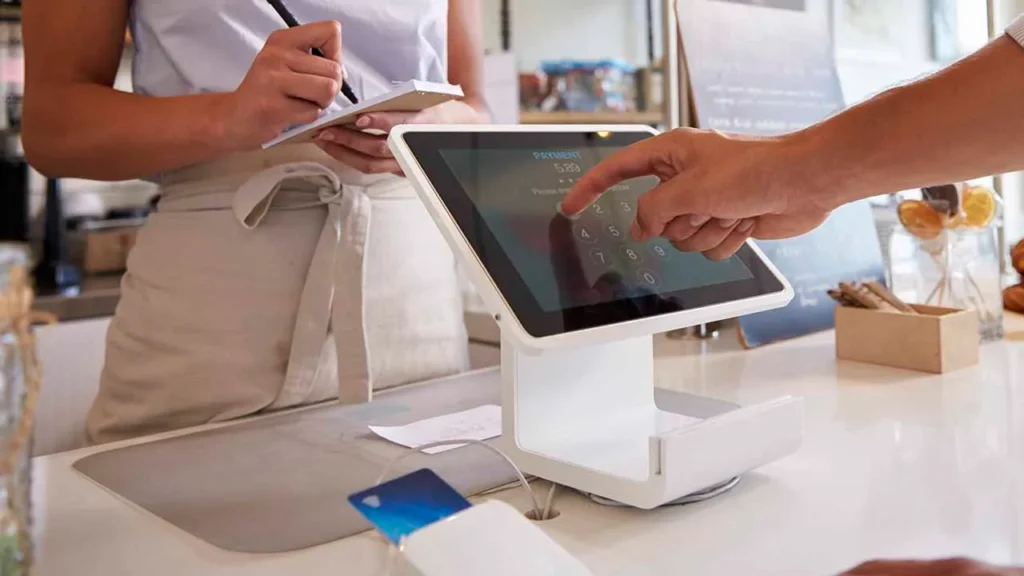
A successful Tip Screen is designed with clarity, simplicity, and emotional connection.
Clear Tip Options
Examples
- 10%, 15%, 20%, custom
- Round-up feature
- Suggested tip ranges
Simple Navigation
Why It Matters
Users should not feel pressured or confused.
Friendly Messaging
Examples
- “Thanks for supporting our team!”
- “Your tip helps us grow!”
Impact
Boosts customer satisfaction and increases tipping likelihood.
Custom Tip Entry
Purpose
Allows users to choose exact amounts.
Transparent Fee Display
Benefit
Builds trust and reduces customer frustration.
Accessibility Features
Important Features
- Large buttons
- High contrast options
- Voice navigation (in future systems)
Benefits of Using Tip Screens
Tip Screens help both businesses and customers.
Increases Tips and Revenue
Why
A reminder boosts tipping rates significantly.
Supports Workers
Impact
Workers receive fair compensation and motivation.
Improves Customer Experience
Customer Perspective
A quick and easy process shows professionalism.
Encourages Transparency
Reason
Customers see exactly where their money goes.
Reduces Awkward Interactions
Benefit
Digital prompts remove pressure from face-to-face tipping moments.
Modern Uses of the Tip Screen in Businesses
Today, Tip Screens are used in nearly every service category.
Restaurants and Cafés
Why Tip Screens Work Here
- Fast customer flow
- Transparent tipping
- Easy upselling
Delivery and Transport Services
Examples
- Food delivery apps
- Ride-sharing services
- Courier platforms
Beauty and Wellness
Where Used
- Salons
- Spas
- Barbershops
Freelance Services
Examples
- Independent consultants
- Artists
- Digital creators
Hospitality and Tourism
Usage
- Hotels
- Tour operators
- Travel services
Digital Content Creation
Creators on platforms like streaming apps and social networks use Tip Screens to collect:
- Donations
- Support contributions
- Fan tips
How to Design a High-Conversion Tip Screen
Businesses must use strategic design for maximum user engagement.
Use Behavioral Psychology
Tip Examples
- Highlight recommended options
- Use warm colors
- Display friendly messages
Keep Options Limited
Best Practice
3–4 tip choices are ideal.
Place the Screen at the Right Moment
Key Rule
Show the Tip Screen just before payment confirmation.
Ensure Fast Load Time
Reason
Slow screens decrease tipping.
Offer a “No Tip” Option
Why Important
Transparency builds customer trust.
Common Mistakes Businesses Make
Not every Tip Screen is effective; some create frustrations.
Too Much Pressure
Issue
Forcing customers to tip damages brand trust.
Complicated Layout
Problem
Confusing screens cause drop-offs.
Hidden “No Tip” Button
Impact
Leads to negative customer reviews.
Unclear Pricing
Effect
Customers feel misled.
Outdated Interface
Consequence
Unprofessional look reduces tipping likelihood.
Future of Tip Screens in 2025 and Beyond
Tip Screen technology will continue evolving with digital innovation.
AI-Powered Tip Suggestions
Expected Features
- Personalized tip options
- Themed messages based on context
- Adaptive tip levels
Voice-Controlled Tip Screens
Future
Customers may tip using voice assistants.
Biometric Tipping
Potential
Face recognition or fingerprint prompts in smart kiosks.
Crypto and Digital Wallet Tipping
Trend
Tip Screens may allow:
- Crypto tips
- Tap-to-tip digital wallets
Global Expansion
Reason
More countries are adopting cashless systems.
Why Tip Screens Improve Customer Experience
Well-designed Tip Screens:
- Reduce hassle
- Make payments smoother
- Encourage fairness
- Build positive customer relationships
How Businesses Can Implement Tip Screens
Implementing a Tip Screen is simple with modern POS systems.
Choose the Right Software
Look For
- Tip settings
- User-friendly interface
- Reporting tools
Customize Tip Options
Tip Types
- Percentage
- Fixed amount
- Round-up donation
Train Staff
Importance
Employees should understand and explain tip options to customers.
Monitor Analytics
Data to Track
- Tip conversion rate
- Average tip amount
- User behavior
Optimize Regularly
Adjust Based On
- Customer feedback
- Industry trends
- Performance data
Conclusion
The Tip Screen has evolved into one of the most important tools in digital payments and modern service industries. With its ability to increase tips, improve customer experiences, support workers, and create transparency, it has become an essential feature for businesses ranging from restaurants to ride-sharing apps. By understanding how Tip Screens work, how they affect customer psychology, and how to design them effectively, businesses can improve satisfaction and revenue while giving customers a smooth and meaningful experience. As technology advances, Tip Screens will become even more intelligent, personalized, and integrated into everyday digital interactions.
Add a Comment