

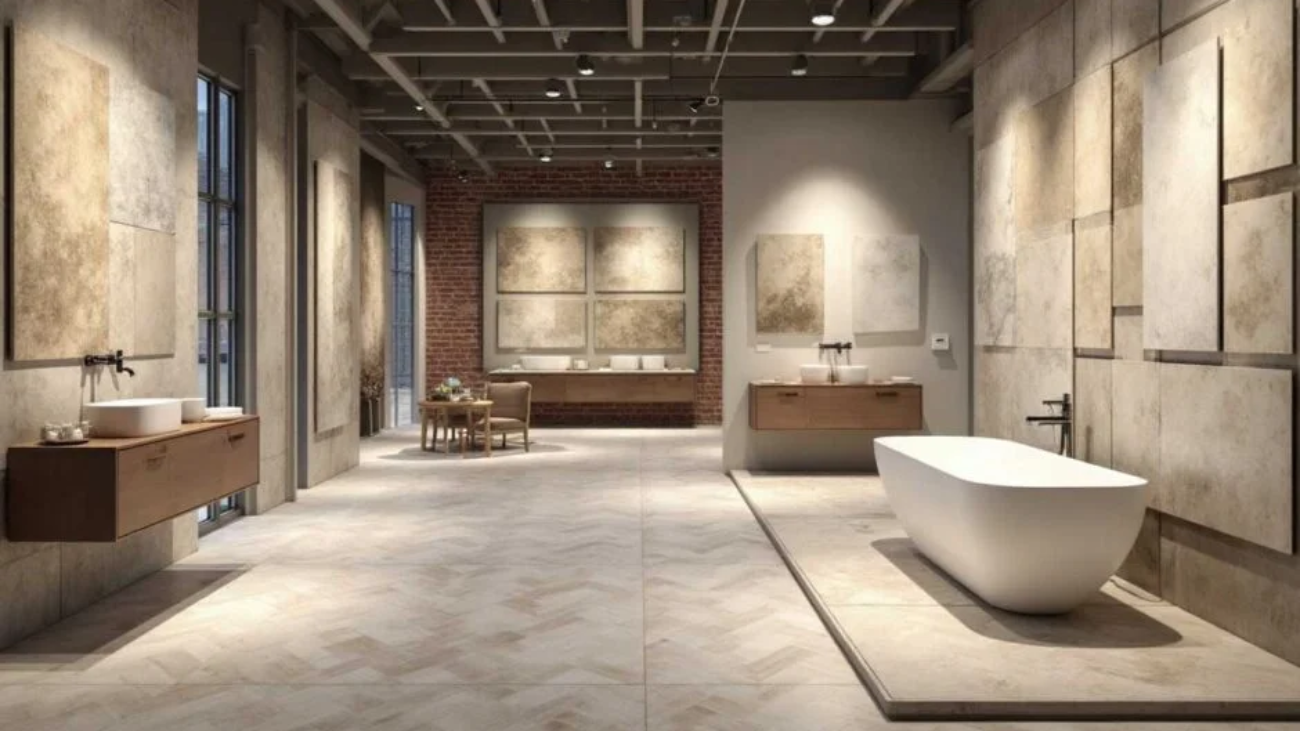
Sodiceram is redefining ceramics by merging cutting-edge material science with innovative design. Enhanced with sodium-based compounds, it offers superior strength, durability, and resistance to moisture, chemicals, and temperature changes. Perfect for residential, commercial, and industrial applications, Sodiceram provides versatile finishes and textures that combine functionality with style.
From elegant flooring and countertops to architectural façades, it delivers long-lasting performance while supporting sustainable practices, making it the ideal choice for designers, homeowners, and businesses seeking modern, reliable, and visually stunning ceramic solutions.
Sodiceram offers durable, stylish, and eco-friendly ceramics, perfect for homes, offices, and architectural projects combining strength and modern design.
What Is Sodiceram?
Sodiceram refers to a high-performance ceramic material developed using advanced sodium-based compositions. This specialized formulation enhances density, strength, and thermal stability, resulting in ceramics that are tougher, more resistant, and longer-lasting than conventional options. Sodiceram products are engineered to meet modern construction and design demands.
The Science Behind Sodiceram Technology
Role of Sodium in Ceramic Engineering
Sodium plays a crucial role in Sodiceram’s formulation by improving vitrification during firing. It helps materials fuse more effectively at high temperatures, creating a compact structure with minimal porosity. This scientific enhancement directly contributes to Sodiceram’s strength and durability.
Low Porosity and High Density Explained
Low porosity means fewer microscopic gaps within the material. Sodiceram’s high density prevents water absorption, cracking, and internal damage over time. This makes it ideal for environments exposed to moisture, heat, and heavy foot traffic.
Strength, Thermal Resistance, and Durability
Sodiceram is designed to withstand extreme conditions. Its thermal resistance allows it to perform well in high-temperature environments, while its mechanical strength ensures resistance against impacts and abrasion. These qualities make it suitable for both interior and exterior applications.
Key Benefits of Using Sodiceram
Superior Performance and Long Lifespan
One of Sodiceram’s biggest advantages is longevity. Its advanced composition ensures that surfaces maintain their integrity and appearance for years, even in demanding conditions.
Resistance to Heat, Chemicals, and Moisture
Sodiceram resists chemical exposure, water penetration, and temperature changes. This makes it a practical solution for kitchens, bathrooms, laboratories, and industrial spaces where durability is essential.
Easy Maintenance and Long-Term Value
Thanks to its smooth, non-porous surface, Sodiceram requires minimal maintenance. Cleaning is easy, and the reduced need for repairs or replacements translates into long-term cost savings.
Applications of Sodiceram Across Industries
Residential Use: Flooring, Kitchens, and Bathrooms
In homes, Sodiceram is commonly used for flooring, walls, countertops, and backsplashes. Its stylish finishes enhance interior design while offering resistance to spills, stains, and daily wear.
Commercial and Industrial Applications
Commercial buildings benefit from Sodiceram’s strength and low maintenance. Shopping centers, offices, hotels, and factories use it for floors and walls that must endure heavy traffic and frequent cleaning.
Architectural Façades and Exterior Surfaces
Sodiceram performs exceptionally well outdoors. Its resistance to UV rays, moisture, and temperature changes makes it suitable for façades, terraces, and exterior cladding.
Decorative and Artistic Ceramic Designs
Beyond functionality, Sodiceram supports artistic expression. Designers use it for decorative panels, custom tiles, and creative installations that combine beauty with durability.
Sodiceram vs Other Ceramic Materials
Sodiceram vs Traditional Ceramic Tiles
Traditional ceramic tiles are often less dense and more absorbent. Sodiceram offers better strength, lower porosity, and enhanced resistance, making it a superior choice for long-term use.
Sodiceram vs Porcelain and Natural Stone
Compared to porcelain, Sodiceram delivers similar density with improved thermal performance. Against natural stone, it offers greater consistency, easier maintenance, and better resistance to staining and cracking.
Why Professionals Prefer Sodiceram
Architects, builders, and designers choose Sodiceram for its reliability, versatility, and modern finishes. Its performance reduces long-term risks while maintaining design freedom.
How Sodiceram Is Manufactured
Raw Materials and Sodium-Based Composition
Sodiceram is produced using carefully selected raw materials blended with sodium compounds. This precise formulation ensures consistent quality and performance across all products.
Forming, Firing, and Vitrification Process
The material is shaped and fired at extremely high temperatures, allowing sodium to promote vitrification. This process creates a dense, unified structure that defines Sodiceram’s strength.
Surface Finishes and Design Options
From matte to glossy finishes and textured to smooth surfaces, Sodiceram offers a wide range of design options. These finishes allow customization for both modern and classic styles.
Sustainability and Environmental Benefits of Sodiceram
Energy-Efficient Productions
Manufacturing techniques used for Sodiceram focus on energy efficiency, reducing emissions and conserving resources during production.
Recyclability and Eco-Friendly Materials
Many Sodiceram products can be recycled at the end of their lifecycle, supporting sustainable construction practices and reducing waste.
Contribution to Green Building Standards
Due to its durability, low maintenance, and eco-friendly production, Sodiceram contributes positively to green building certifications and sustainable design goals.
Cost, Pricing, and Market Value of Sodiceram
Cost Comparison with Porcelain and Stone
While Sodiceram may have a slightly higher upfront cost than standard ceramics, it is often more affordable than premium natural stone while offering comparable performance.
Long-Term Cost Benefits and ROI
Lower maintenance, fewer replacements, and extended lifespan provide excellent return on investment, making Sodiceram a cost-effective choice over time.
Installation, Care, and Maintenance Guidelines
Proper Installation Requirements
Professional installation ensures optimal performance. Proper adhesives, spacing, and surface preparation are essential to maximize durability.
Cleaning and Long-Term Maintenance Tips
Routine cleaning with mild products is sufficient. Sodiceram does not require sealing or specialized treatments, keeping maintenance simple.
Limitations and Challenges of Sodiceram
Situations Where Sodiceram May Not Be Ideal
In highly flexible structures or areas requiring soft materials, Sodiceram may not be the best choice due to its rigid nature.
Common Mistakes to Avoid During Installation
Improper adhesives or uneven surfaces can affect performance. Following manufacturer guidelines is crucial for long-term success.
Future Trends and Innovations in Sodiceram
- Smart Ceramics Development: Integration of sensors, IoT, and adaptive materials for responsive surfaces.
- Ultra-Thin and Lightweight Panels: Advanced pressing techniques enabling thinner, lighter, and easier-to-install sodiceram tiles.
- 3D Printing & Customization: Additive manufacturing allows bespoke designs and functional gradation in ceramic products.
- Eco-Friendly Production: Focus on reducing energy consumption, using recycled materials, and minimizing carbon footprint.
- Advanced Composite Materials: Combining sodiceram with high-performance materials for enhanced strength, durability, and thermal resistance.
- Global Market Expansion: Adoption in emerging markets and collaborations with architects for innovative architectural applications.
- Integration in Smart Buildings: Future-ready ceramics for energy-efficient, automated, and sustainable interiors.
FAQ
1. Is Sodiceram suitable for outdoor use?
Yes, Sodiceram resists moisture, UV exposure, and temperature changes, making it ideal for outdoor applications.
2. How long does Sodiceram last?
With proper installation and care, Sodiceram can last decades without losing performance or appearance.
3. Is Sodiceram better than porcelain?
Sodiceram offers similar density with enhanced thermal and chemical resistance, making it competitive with porcelain.
4. Is Sodiceram environmentally friendly?
Yes, its durability, recyclability, and energy-efficient production support sustainable building practices.
5. What makes Sodiceram unique?
Its sodium-based engineering delivers superior strength, low porosity, and long-term reliability.
Conclusion
Sodiceram represents the future of ceramic innovation. With advanced engineering, exceptional durability, and sustainable production, it offers unmatched value across residential, commercial, and industrial applications. Its ability to blend performance with aesthetics makes it a smart investment for modern projects that demand reliability and style.
Add a Comment