

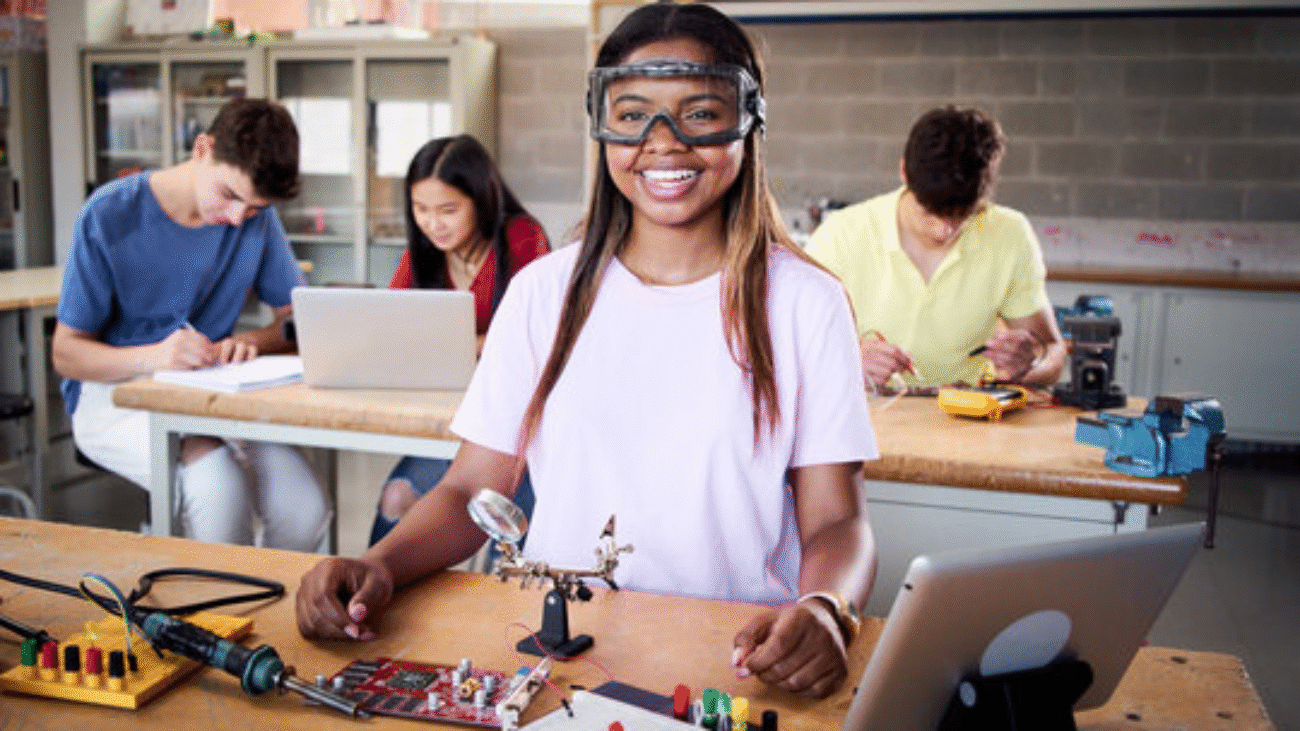
In today’s fast-paced and ever-changing world, the demand for new skills is higher than ever. Technology evolves, industries shift, and the workplace becomes more competitive. In this environment, education is no longer just about memorizing facts or passing exams—it is a powerful tool for skill development that can transform individuals and societies. Developing the right skills through education equips people with the knowledge, confidence, and adaptability they need to succeed in life and work.
What is Skill Development?
Skill development refers to the process of learning and enhancing abilities that are useful in personal, academic, and professional life. These skills are not limited to technical expertise. They include soft skills like communication, problem-solving, teamwork, and emotional intelligence, as well as hard skills like coding, writing, mathematics, and scientific knowledge.
While natural talent plays a role, most skills are learnable and improvable through structured education and practice. Education provides the foundation for skill development, giving individuals the tools, resources, and guidance to grow.
The Role of Education in Skill Development
Education is much more than attending school or college. It is a journey that shapes how people think, interact, and perform in real-life situations. Let’s explore how education fosters skill development:
1. Academic Knowledge as a Foundation
Academic education builds a strong base for various skills. Subjects like mathematics, science, and language develop critical thinking, logical reasoning, and analytical abilities. For instance, solving a complex math problem helps students learn problem-solving techniques that can be applied in real-life situations. Similarly, reading and writing improve communication skills, creativity, and the ability to articulate ideas clearly.
2. Encouraging Critical Thinking and Creativity
Modern education emphasizes not just rote learning but also critical thinking and creativity. Class discussions, group projects, and problem-solving exercises encourage students to question, analyze, and innovate. These experiences cultivate mental agility and the ability to approach challenges from different angles—essential skills in any career or life situation.
3. Practical and Technical Skills
Many educational programs now include hands-on learning experiences. From science experiments in school labs to internships and vocational training, students gain practical skills that prepare them for real-world jobs. For example, a computer science student learns programming languages, while a culinary student practices cooking techniques. Such skills are often in high demand in the job market, giving learners a competitive edge.
4. Social and Emotional Skills
Education is also a platform for learning social and emotional skills. Working in teams, participating in debates, or leading a student club teaches leadership, empathy, collaboration, and conflict resolution. These skills are crucial because they affect how people interact with others, manage stress, and adapt to changes in their personal and professional lives.
5. Lifelong Learning and Adaptability
In the 21st century, learning doesn’t stop after school or college. Education fosters a habit of lifelong learning, enabling individuals to continuously upgrade their skills. With technological advancement, new skills are required frequently, and those who can learn and adapt are more likely to thrive. Education encourages curiosity, resilience, and self-directed learning—qualities that help people stay relevant in a fast-changing world.
Methods to Promote Skill Development through Education
Education can take various forms, and each method can enhance specific skills:
- Formal Education: Structured programs in schools, colleges, and universities provide a curriculum-based approach to skill development.
- Online Courses and Tutorials: Platforms like Coursera, Udemy, and Khan Academy offer flexible learning opportunities for technical and soft skills.
- Workshops and Seminars: These events provide practical, hands-on training for specific skills such as leadership, communication, or entrepreneurship.
- Mentorship Programs: Learning from experienced professionals helps students develop both technical expertise and professional behavior.
- Project-Based Learning: Real-life projects encourage problem-solving, teamwork, creativity, and time management skills.
- Extracurricular Activities: Sports, music, drama, and volunteering build social, emotional, and organizational skills.
By combining these methods, education can address the diverse needs of learners and equip them with a broad skill set.
Benefits of Skill Development through Education
- Enhanced Employability: People with strong skills are more likely to find jobs and perform effectively in their careers.
- Personal Growth: Skill development fosters confidence, self-discipline, and independence.
- Economic Growth: A skilled workforce contributes to innovation, productivity, and economic prosperity.
- Problem-Solving Ability: Educated individuals are better equipped to analyze challenges and devise solutions.
- Social Development: Skills such as empathy, leadership, and communication improve relationships and community engagement.
Challenges in Skill Development
Despite its importance, skill development through education faces challenges:
- Outdated Curriculum: Traditional education sometimes focuses too much on memorization rather than practical skills.
- Limited Access: Many students lack access to quality education, digital resources, or trained educators.
- Mismatch with Industry Needs: Graduates may find that their skills don’t match the requirements of the job market.
- Resource Constraints: Schools in rural or underprivileged areas may struggle to provide hands-on learning opportunities.
Overcoming these challenges requires education systems to evolve, invest in teacher training, adopt modern technologies, and emphasize skill-based learning.
Conclusion
Skill development through education is the key to unlocking human potential. It empowers individuals to think critically, adapt to change, and succeed in personal and professional life. Education is not just a path to degrees and certificates—it is a lifelong journey that builds knowledge, cultivates skills, and nurtures confidence. By focusing on both hard and soft skills, education prepares individuals to face the challenges of the modern world while contributing meaningfully to society.
Investing in education and skill development is an investment in the future—both for individuals and for nations. It is a tool that bridges the gap between potential and achievement, helping people not just survive but thrive in a dynamic, competitive world.
Frequently Asked Questions (FAQs)
1. What is the difference between hard skills and soft skills?
Hard skills are specific, teachable abilities like coding, writing, or math. Soft skills are interpersonal and emotional skills like communication, leadership, and problem-solving. Both are important for success.
2. How can education improve employability?
Education provides knowledge, technical skills, and soft skills that make individuals more competent and attractive to employers. Practical training, internships, and projects further enhance job readiness.
3. Can skill development happen outside formal education?
Yes! Skills can be developed through online courses, workshops, mentorship, hobbies, and real-world experiences. Lifelong learning is key to continuous growth.
4. Why are soft skills important?
Soft skills help individuals work effectively with others, manage conflicts, adapt to change, and communicate ideas clearly. They are essential for personal and professional success.
5. How can schools and colleges better promote skill development?
By including hands-on learning, project-based activities, mentorship programs, and modern technology in their curriculum, educational institutions can help students gain practical and transferable skills.
Add a Comment