

When news broke that Delta Flight DL275 was diverted to LAX, many passengers, aviation enthusiasts, and travel agencies began looking for detailed explanations. Flight diversions are not unusual in commercial aviation, but when a long-haul international flight suddenly changes course, people naturally want to understand what happened and why. Delta Airlines is known for high safety standards, so a diversion often indicates an important operational reason such as weather, mechanical concerns, or medical emergencies. This comprehensive guide explains everything related to Delta Flight DL275’s diversion to LAX, including possible causes, how diversions work, what passengers experienced, how Delta responded, and what this means for future flights.
What Is Delta Flight DL275?
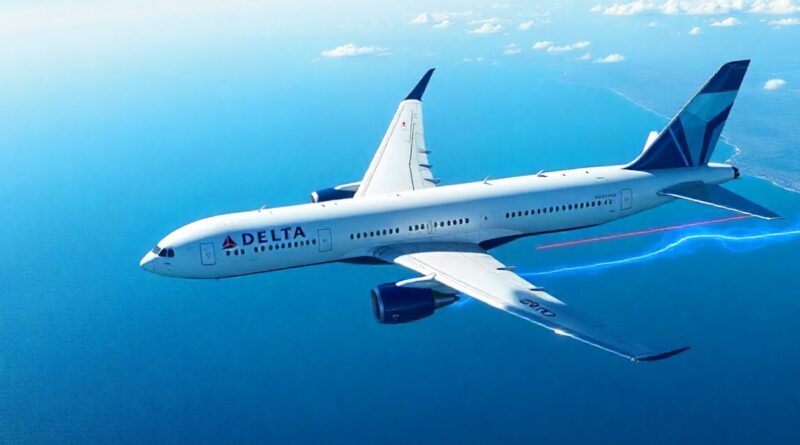
Delta Flight DL275 is typically a transpacific or transcontinental route operated by Delta Air Lines. Depending on seasonal scheduling, DL275 commonly runs between major hubs such as Los Angeles, Seattle, or Minneapolis and destinations in Asia like Tokyo or Seoul. It usually uses wide-body aircraft capable of long-distance travel including the Airbus A350 or Boeing 767.
Why DL275 Matters
DL275 is an important route because it:
- carries hundreds of international passengers
- operates long hours over oceanic airspace
- requires strict safety monitoring
- connects major global business centers
Because these flights cover long distances over the Pacific, diversions are rare but taken extremely seriously.
Why Delta Flight DL275 Was Diverted to LAX
The most common reasons for a diversion are medical emergencies, mechanical concerns, weather disturbances, or disruptive passenger incidents. Even if the exact details of DL275 vary depending on the official report, these categories explain why the flight would be sent to LAX rather than continuing to its destination.
Medical Emergencies
One of the most frequent causes of diversions is a serious medical issue. When a passenger suffers chest pain, burns, seizures, breathing difficulty, or other life-threatening symptoms, pilots must land at the closest major airport. LAX offers advanced medical facilities and rapid emergency response, which makes it a preferred diversion point for international flights.
Mechanical Issues
Even minor technical alerts can trigger a diversion because safety is the airline’s top priority. Possible mechanical problems include:
- abnormal engine readings
- cabin pressure fluctuations
- hydraulic system alerts
- electrical or navigation concerns
- irregular fuel distribution
Pilots follow strict procedures and must divert if the system indicates any safety risk.
Weather Problems
If severe weather develops near the destination or along the route, pilots may divert to avoid turbulence, storms, wind shear, or low visibility. LAX is often used as an alternate airport for weather-related diversions for flights crossing the Pacific.
Security or Passenger Issues
Though rare, security concerns such as an aggressive passenger, suspicious items, or cabin disturbances can force a flight to land early. The safety of passengers and crew always comes first.
Why LAX Was Chosen as the Diversion Airport
Los Angeles International Airport is one of the largest and most capable airports in the world. It is ideal for handling emergency landings of long-haul flights like DL275.
Strong Medical Response
LAX has on-site paramedics, emergency teams, and immediate access to major hospitals. For medical diversions, LAX is one of the safest options on the West Coast.
Maintenance and Technical Support
Delta and its partners maintain strong aircraft support operations at LAX. Skilled technicians can inspect and repair aircraft quickly, reducing total delay time.
Long Runways and International Capacity
Because DL275 uses a large aircraft, it needs a long, capable runway system. LAX has several long runways designed for international wide-body jets.
Passenger Processing Facilities
If passengers must disembark, LAX has:
- customs facilities
- immigration processing
- large terminal space
- rebooking counters
This makes handling diverted international passengers easier and more comfortable.
What Happened During the Flight Diversion
While every diversion has differences, Delta uses a consistent protocol. When the crew determines that landing early is necessary, they follow international aviation guidelines.
Pilot’s Role
The pilots assess the situation, contact Delta operations, alert air traffic control, and begin rerouting toward LAX. They must ensure the aircraft descends safely and avoids restricted airspace.
Crew Communication
Flight attendants inform passengers calmly, provide updates, check on affected travelers, assist with seat adjustments, and maintain order. Their main goal is keeping everyone safe and reassured.
Approach and Landing
As DL275 approaches LAX, emergency teams are often on standby. The aircraft receives priority landing clearance if the situation is urgent. The landing is usually smooth because commercial pilots train extensively for diversion procedures.
Post-Landing Actions
Depending on the cause of the diversion:
- medical teams may enter the aircraft
- maintenance crews may inspect the plane
- security may remove a disruptive passenger
- passengers may wait onboard or exit through the terminal
Impact on Passengers
A diversion affects passengers in several ways, but airlines like Delta work hard to minimize disruptions.
Schedule Delays
Most passengers experience delays ranging from one hour to several hours depending on repairs, crew duty times, and rebooking availability.
Missed Connections
International passengers with connecting flights may miss their connections at the original destination. Delta typically assists with rebooking and hotel arrangements.
Emotional Reactions
Many passengers feel anxious or stressed during unknown situations. Delta crews provide reassurance, updates, and support throughout the process.
Hotel and Meal Support
If delays extend overnight, Delta may offer:
- hotel accommodations
- food vouchers
- transportation support
This helps keep passengers comfortable during extended disruptions.
What Happens to the Aircraft After Landing
Once DL275 lands safely at LAX, several technical and operational steps take place.
Aircraft Inspection
Maintenance crews perform detailed checks to ensure:
- engines are functioning correctly
- electrical systems are normal
- pressure systems are safe
- fuel system is balanced
No aircraft continues flying unless fully cleared.
Crew Duty Regulations
Flight crews have strict duty limitations. If the diversion causes the crew to exceed allowable working hours, Delta must replace the crew, which can add delays.
Refueling and Preparation
If the aircraft is safe to continue:
- it may be refueled
- flight plans updated
- weather checked
- clearance issued
The flight may then continue to its destination or passengers may be moved to another aircraft.
How Airlines Manage the Aftermath
Delta has strong operational procedures to ensure passengers can continue their journey with minimal hassle.
Rebooking Passengers
Delta’s systems automatically rebook many passengers. Gate staff and support agents help with:
- new flights
- hotel stays
- seat upgrades if needed
Customer Support
Travelers receive email or text messages with updates, gate changes, and compensation details depending on the situation.
Compensation Policies
If the cause is mechanical, Delta may provide:
- meal vouchers
- travel credits
- hotel stays
This varies based on circumstances and passenger rights.
Why Diversions Are a Normal Safety Procedure
Some passengers worry that diversions mean something dangerous happened. In reality, diversions are proactive safety measures, not signs of imminent danger.
Better Safe Than Sorry
Pilots and airlines take no risks with:
- health
- aircraft systems
- severe weather
- safety concerns
Prevention Over Reaction
A minor technical alert can be fixed easily if handled early. Ignoring it would be unsafe.
Medical Lives Matter
If one passenger needs urgent help, the aircraft diverts immediately because every second counts.
How Diversions Affect the Aviation Industry
Airlines train extensively for diversions to ensure safety. DL275’s diversion is part of a global aviation system designed to protect passengers.
Operational Costs
A diversion can cost Delta:
- extra fuel
- crew overtime
- maintenance work
- compensation expenses
But airlines always prioritize safety over cost.
Tracking and Reporting
Every diversion is investigated to determine:
- root cause
- improvement opportunities
- training updates
This makes future flights even safer.
Tips for Passengers During a Diversion
Stay Calm
Diversions are handled by trained teams and are safer than continuing the original flight path.
Listen to Crew Instructions
Crew members explain everything clearly and are trained for emergencies.
Notify Family
Use Wi-Fi or text messages to update loved ones.
Stay Patient
A diversion is about safety, not inconvenience.
Frequently Asked Questions
1. Why was Delta Flight DL275 diverted to LAX?
Possible reasons include medical emergencies, mechanical issues, weather changes, or security concerns.
2. Is a diversion dangerous?
No, it is a controlled and safe procedure.
3. Do passengers get compensation?
Sometimes, depending on the cause and delay length.
4. Can a plane continue after a diversion?
Yes, once the aircraft is cleared or passengers are moved to a new plane.
5. Are diversions common?
They are rare but normal in aviation safety.
Final Thoughts
The diversion of Delta Flight DL275 to LAX shows how seriously airlines take the safety of passengers and crew. Whether triggered by weather, a mechanical alert, a medical emergency, or operational conditions, diversions help protect everyone onboard. Although they may cause delays, they are vital to ensuring flights reach their destinations safely. With trained crews, world-class airports like LAX, and strong airline procedures, diversions remain a normal part of modern aviation that prioritizes safety above everything.
Add a Comment