

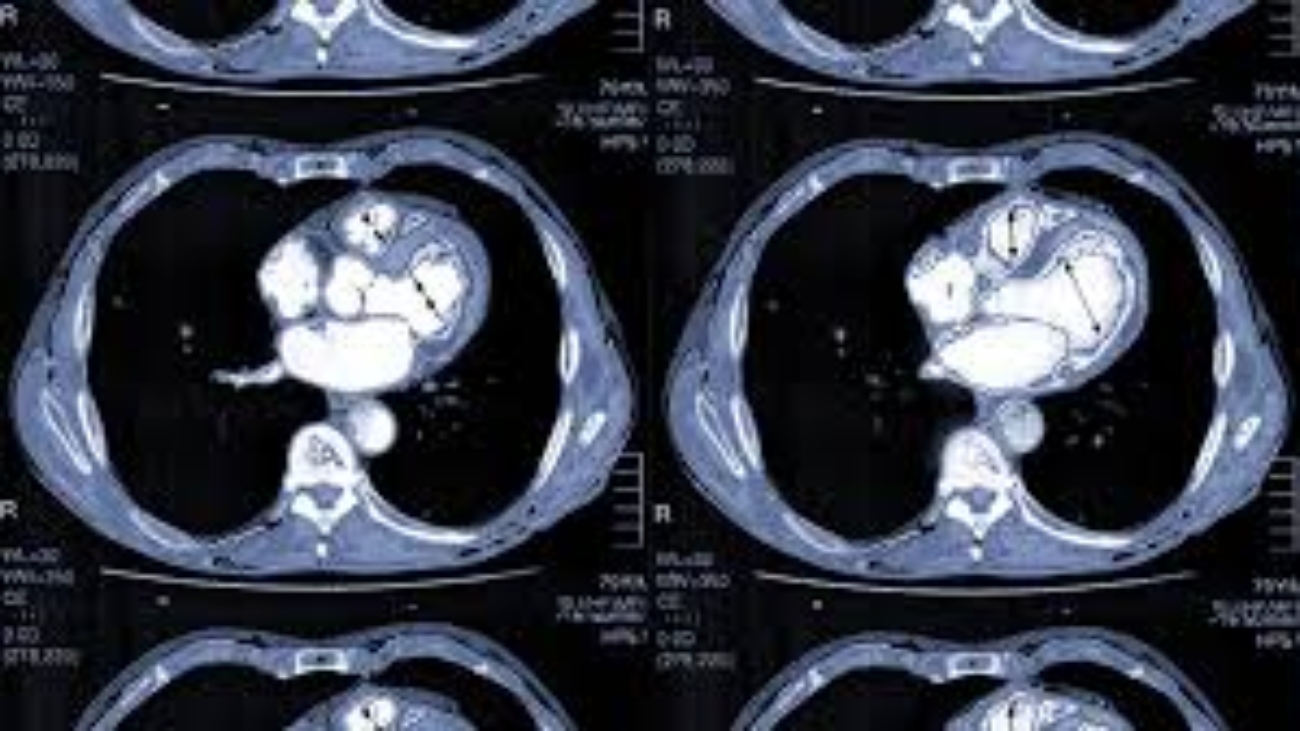
Body imaging plays a key role in modern healthcare by enabling clinicians to detect diseases at earlier, more treatable stages. Through advanced diagnostic technologies, body imaging provides detailed insights into internal structures, often identifying abnormalities before symptoms appear. Understanding the benefits of body imaging in early disease detection highlights its value in improving diagnostic accuracy, guiding timely intervention, and supporting better long-term health outcomes.
i. Identifying Hidden Health Conditions
One key benefit of diagnostic body imaging is the early detection of diseases when they are most treatable. Many serious conditions, like liver disease, kidney issues, or certain cancers, lack visible symptoms until they are advanced. Medical body imaging helps physicians identify abnormalities while they are still small and manageable, aiding early recovery efforts.
Finding conditions early saves time and often saves lives. Early-stage detection usually leads to less aggressive and more effective treatments. This is especially useful for identifying gastrointestinal disorders and reproductive system problems that may otherwise remain undetected. Early detection expands your treatment options and increases your chances of recovery.
ii. Improving Diagnostic Accuracy and Precision
Guesswork has no place in medicine. Imaging technology gives doctors the clarity needed for accurate diagnoses. Unlike general observation or palpation, internal imaging provides detailed views of complex systemsand these precise images help doctors distinguish benign cysts from tumors without invasive surgery. MRI technology uses magnetic fields and radio waves to create clear images of soft tissues.
This high level of precision helps make sure that you receive the correct diagnosis the first time. Different imaging modalities serve different purposes, and choosing the right one is key to getting accurate results.
- Ultrasound: A noninvasive technique that uses sound waves, ideal for assessing organs and blood vessels in the abdomen.
- X-Rays: These provide quick, efficient imaging, primarily for bones and some soft tissues.
Using these varied tools helps radiologists confidently rule out specific causes of pain or discomfort. This accuracy reduces the need for unnecessary procedures, and it accelerates the path to the correct treatment plan.
iii. Personalizing Treatment Planning and Monitoring
Once a diagnosis is confirmed, the focus shifts to creating a treatment plan tailored to your body and lifestyle. Advanced imaging services provide the data needed to customize treatments based on your anatomy and the specific stage of your condition. Doctors evaluate the size, location, and spread of an abnormality to determine whether surgery, medication, or other therapies are appropriate.
Imaging remains a necessary tool even after diagnosis, helping monitor progress during recovery. Regular scans show if a treatment is effective and allow immediate adjustments if needed. This is especially valuable for managing long-term conditions like vascular issues or chronic organ problems. Imaging transforms healthcare into a precise, data-driven strategy rather than relying on guesswork.
iv. Managing Long-Term Health Risks
Body imaging is key to preventive health for patients with risk factors or family histories of disease. If you are genetically predisposed to heart disease or cancer, your doctor may recommend periodic screenings to detect early signs. Clinical imaging services, such as cardiovascular assessments, provide detailed images of the heart and blood vessels to identify potential vascular issues.
Taking these steps promotes peaceful living by actively monitoring your health rather than waiting until emergencies arise. It empowers you to make lifestyle changes based on clear data about your internal health. Routine imaging monitors the health of vital organs over time, ensuring that any changes are identified and addressed promptly.
Schedule Your Body Imaging Appointment
Leveraging body imaging to detect diseases early is a great decision. From identifying hidden conditions to creating personalized treatment plans, these scans provide the insight needed for a longer, healthier life.
You should contemplate the confidence in treatment that comes from knowing exactly what is happening inside your body. If you have concerns or need a screening, schedule an appointment with a radiologist near you for body imaging tests necessary for your condition.
Add a Comment