

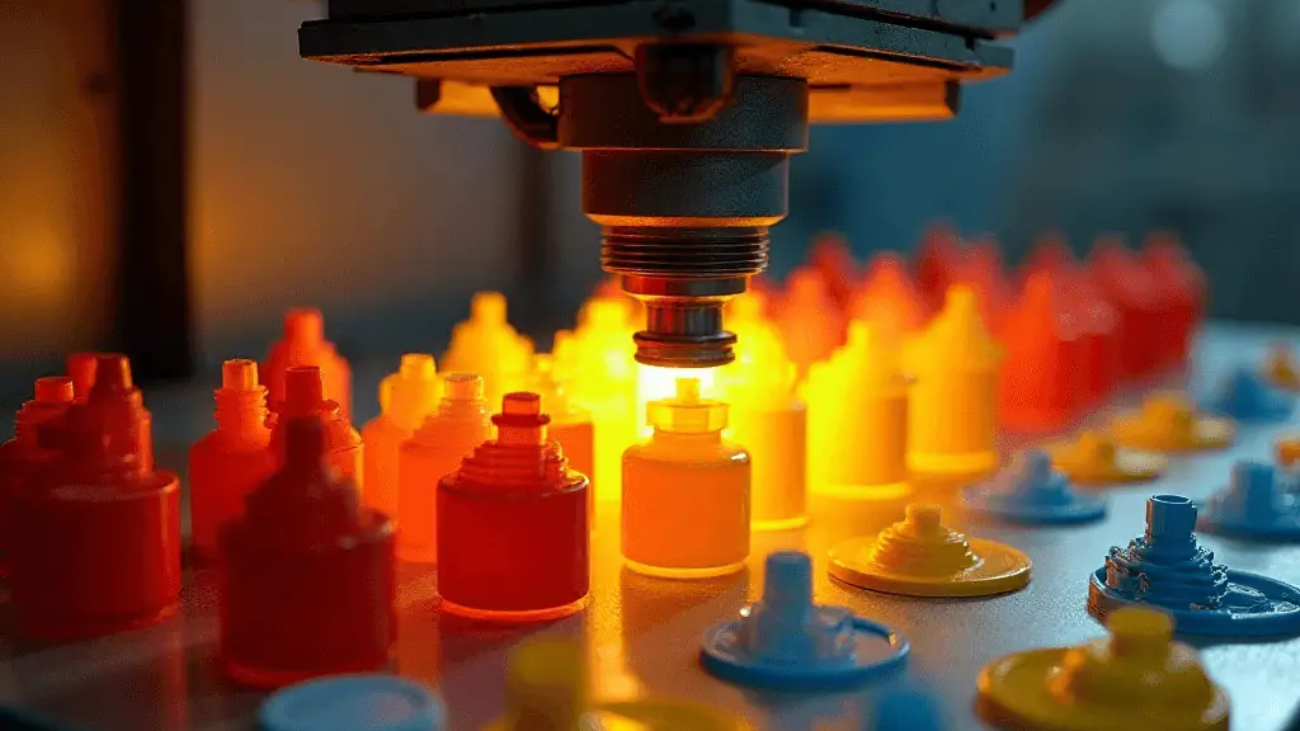
Rubber molding can increase product functionality in challenging application situations; this includes industrial and outdoor settings. Manufacturers use molded rubber parts to control wear, sealing issues, impact loads, and environmental exposure. This produces components that can be molded to provide specified functional and mechanical requirements. Here is more information on how rubber molding improves product performance and durability:
Environmental Stress and Sealing Performance
Rubber molding helps enhance the durability of components by providing materials that withstand harsh conditions, such as high temperatures or moisture. Rubber that is developed to resist chemicals, oils, ultraviolet radiation, and repeated weather exposures may reduce cracking and material breakdown. This helps to prolong component service life. Molded rubber can be flexible because of elastomers that retain their shape after being formed. This material allows it to be reliable in industrial and mechanical applications.
Molding rubber could improve performance by allowing integrated sealing components to be designed in specific shapes to meet a particular usage or protective barrier. Molded rubber seals are shaped to closely fit between mating surfaces, reducing the risk of leaks. This tight fit helps restrict the access of dust, moisture, air, and other contaminants to delicate assemblies.
Proper sealing may prevent electrical interference and mechanical wear of internal components. Seals are able to remain in place despite vibration or slight dimensional motion; this is due to the physical flexibility of molded rubber. Consistent sealing facilitates stable operations by minimizing disruptions caused by exposure. This leads to stable performance and longer service duration.
Shock and Vibration Control
During the molding process, the strength could be enhanced by absorbing shock loads and minimizing operational vibration. The rubber material is elastic, and it absorbs the energy of mechanical forces, which reduces the quantity of energy passed on to other components. This absorption of energy helps lower the fatigue stress on the fasteners, joints, and connected materials. The shaped rubber materials assist in cushioning delicate components against repetitive hits and constant vibrations. Minimized mechanical stress allows there to be decreased chances of cracking or deformation; this means that the components become more compatible with harsh working conditions.
Surface Protection and Dimensional Precision
Rubber molding that increases material performance is able to provide durable and high-friction contact surfaces. The friction properties of rubber help enhance handling stability and minimize slipping. Better grip promotes higher control and operational safety of manual or mechanical use. Underlying materials could also be covered with rubber to prevent abrasion and scratches from impacts.
Molded rubber parts help increase stability; this is done by creating components with consistent sizes. Molding processes are controlled to achieve a uniform distribution of materials and proper wall thickness across every part. Dimensional consistency minimizes stress levels that may cause uneven wear or early failure. System integration and quality control are also made easier with predictable dimensions. A combination of these attributes helps to achieve consistent performance within long periods of usage.
Get Help With Rubber Molding
Rubber molding may enhance product performance because engineered materials are integrated with controlled manufacturing processes. Durability results from resistance to environmental stress, effective sealing, shock absorption, and surface protection. Molded rubber parts are useful in making sure that mechanical behavior is stable over time and under demanding conditions. Long-term reliability is also supported by consistent grip, vibration control, and dimensional accuracy. Contact a manufacturer of rubber molding parts to get components aligned with your project.