

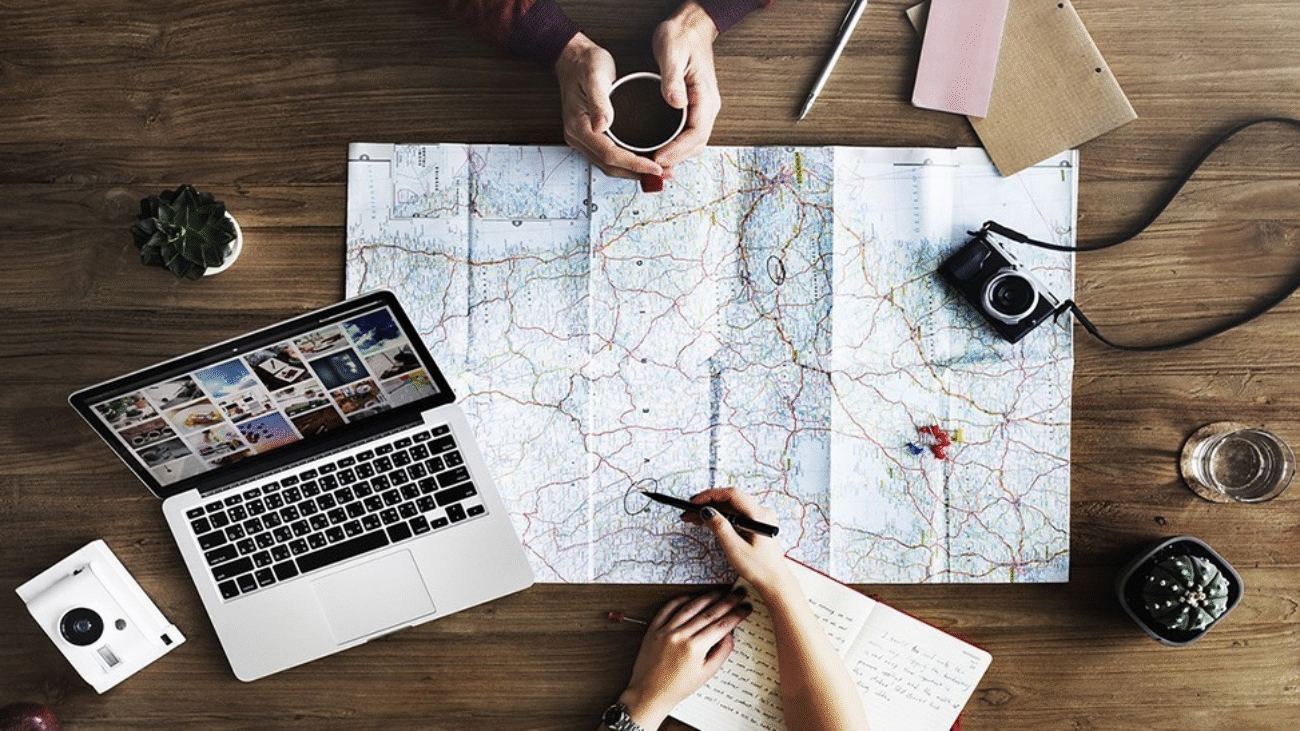
Traveling is one of life’s greatest pleasures. It allows us to explore new cultures, meet new people, and create memories that last a lifetime. But if you are a beginner, planning a trip can feel overwhelming. From choosing a destination to budgeting, booking accommodations, and creating an itinerary, there’s a lot to consider. The good news is that with the right tips and strategies, travel planning can become an enjoyable part of the journey itself. Here’s a detailed guide to help beginners plan their trips efficiently, stress-free, and smartly.
1. Decide on Your Destination
The first and most exciting step in travel planning is choosing where to go. For beginners, it’s important to pick a destination that matches your interests, budget, and comfort level.
- Consider your interests: Do you love nature, beaches, historical sites, or city life? Choose a destination that aligns with what excites you.
- Think about the climate: Check the weather for the time of year you plan to travel. Some places are best visited during certain seasons.
- Safety and accessibility: Research travel advisories and how easy it is to reach your chosen location.
Beginner travelers often find it easier to start with popular tourist-friendly destinations because they have plenty of guidance, resources, and English-speaking locals.
2. Set a Realistic Budget
Budgeting is crucial to avoid overspending or unexpected financial stress during your trip.
- Estimate your expenses: Include flights, accommodations, meals, transportation, activities, and souvenirs.
- Look for deals: Use flight comparison websites, hotel booking platforms, and discount apps to save money.
- Plan for emergencies: Keep a small portion of your budget aside for unforeseen expenses like medical emergencies, transportation changes, or extra activities.
By setting a clear budget, you’ll have a better idea of what is feasible and can focus on enjoying your trip rather than worrying about money.
3. Research and Book in Advance
Planning ahead can save you both money and stress.
- Flights: Book flights at least 2-3 months in advance for domestic trips and 4-6 months for international ones. Prices usually rise closer to the departure date.
- Accommodation: Look for hotels, hostels, or vacation rentals with good reviews. Early bookings often provide discounts and better room options.
- Activities and tours: Popular attractions can sell out quickly, especially in peak season. Booking tickets in advance ensures you don’t miss out.
Doing your research also helps you know local customs, transportation options, and cultural norms, making your trip smoother.
4. Create a Simple Itinerary
A detailed plan isn’t necessary for beginners, but having a basic itinerary can make your trip more organized and enjoyable.
- Highlight must-see attractions: Pick 3-5 key sites or experiences per day so you don’t feel rushed.
- Include downtime: Travel can be exhausting, so allow time to relax, eat, or explore spontaneously.
- Plan transport: Know how you’ll get from one location to another—whether by public transport, taxi, or walking.
A flexible itinerary allows room for surprises while keeping you on track.
5. Pack Smart and Light
Packing can be stressful for first-time travelers, but it doesn’t have to be.
- Essentials only: Stick to clothing suitable for the climate, toiletries, medications, and necessary electronics.
- Layering: Especially useful if your destination has variable weather.
- Travel-sized items: Save space by using small bottles for shampoo, conditioner, and lotion.
- Comfortable shoes: You’ll likely walk more than you think, so comfortable footwear is a must.
A lighter bag means more freedom to move and less hassle during travel.
6. Learn Basic Local Phrases
Even if your destination is largely English-speaking, learning a few basic phrases in the local language shows respect and helps in daily interactions.
- Greetings like “Hello” and “Thank you”
- Phrases like “Where is…?” or “How much does this cost?”
- Emergency phrases such as “I need help”
This small effort can enhance your experience and make locals more friendly and helpful.
7. Stay Safe While Traveling
Safety should always be a top priority, especially for beginners.
- Keep copies of documents: Store digital copies of your passport, ID, and travel insurance.
- Stay aware: Avoid risky areas, especially at night, and trust your instincts.
- Travel insurance: Covers unexpected medical emergencies, trip cancellations, or lost luggage.
Being prepared helps you enjoy your trip with peace of mind.
8. Embrace Technology
Travel apps and websites are beginner travelers’ best friends.
- Maps and navigation: Google Maps, Citymapper, or offline maps help you get around easily.
- Currency converters: Keep track of exchange rates to avoid overspending.
- Language apps: Translate menus or signs quickly if you don’t speak the language.
- Booking apps: Manage flights, hotels, and local tours from your phone.
Using technology wisely makes traveling simpler and less stressful.
9. Be Flexible and Open-Minded
Traveling doesn’t always go as planned. Flights get delayed, weather changes, or attractions close unexpectedly. The key to a great experience is flexibility.
- Don’t stress over minor hiccups.
- Explore unexpected opportunities. Sometimes the best experiences are unplanned.
- Respect local customs and traditions—it enriches your travel experience.
A positive attitude can turn setbacks into memorable adventures.
10. Document Your Journey
Finally, keep a record of your trip.
- Take photos or videos of special moments.
- Write a travel journal or blog to remember your experiences.
- Collect small souvenirs like postcards or tickets.
Documenting your journey helps you relive the adventure later and can inspire future trips.
FAQs for Beginner Travelers
1. How early should I start planning my trip?
It’s best to start at least 2-3 months before your travel date for domestic trips and 4-6 months for international travel. Early planning helps you find better deals and ensures availability.
2. Do I need travel insurance as a beginner?
Yes! Travel insurance is crucial to cover medical emergencies, trip cancellations, or lost luggage. It provides peace of mind, especially for first-time travelers.
3. How can I save money while traveling?
Book flights and accommodations early, use public transportation, eat at local restaurants, and avoid peak-season travel when possible. Travel apps can also help you find discounts.
4. Should I plan every single activity in advance?
No. Beginners should have a basic itinerary with must-see attractions but leave room for spontaneity. Too strict a schedule can make the trip stressful.
5. How can I make my first trip stress-free?
Research your destination, pack light, use travel apps, have a budget, stay flexible, and keep copies of important documents. Preparation and a positive mindset make the trip enjoyable.
Final Thoughts
Traveling as a beginner might feel intimidating, but with careful planning and the right mindset, it can become a fun and memorable adventure. Start with a manageable destination, set a budget, book in advance, and embrace flexibility. Remember, traveling isn’t just about reaching a destination—it’s about enjoying the journey, learning, and growing. By following these travel planning tips for beginners, your first trip will be smooth, enjoyable, and full of unforgettable experiences.