

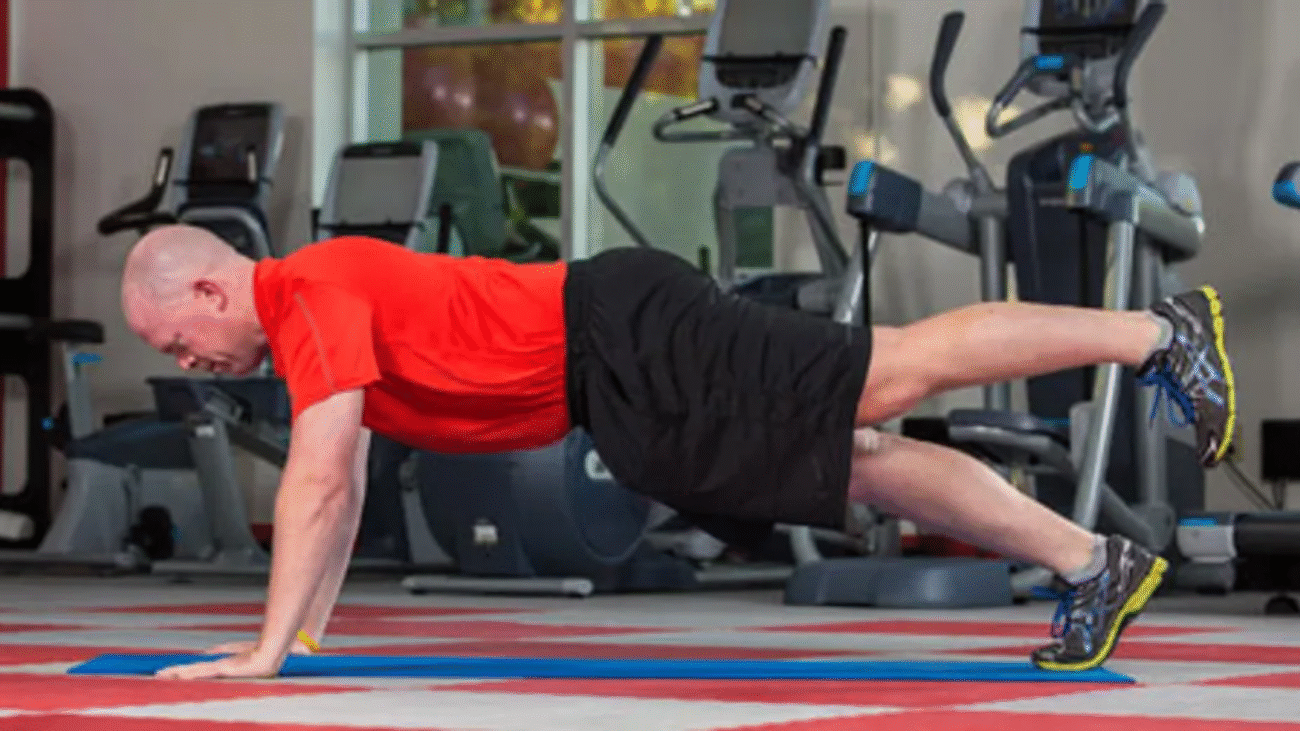
Starting a fitness journey can feel overwhelming, especially if you’re new to exercise. With countless workout plans, diets, and fitness trends online, it’s easy to feel lost or unsure where to begin. The key is to have a simple, structured fitness training program for beginners that’s easy to follow, safe, and effective. This guide will help you understand how to start, what exercises to include, and how to stay motivated.
Why a Beginner Fitness Program is Important
Many beginners make the mistake of jumping straight into advanced workouts, thinking more intensity equals faster results. In reality, your body needs time to adapt to physical activity. A proper beginner program focuses on:
- Building a strong foundation: Strength, flexibility, and endurance.
- Learning correct techniques: Reduces the risk of injury.
- Creating sustainable habits: Makes fitness a part of your lifestyle.
Think of it like building a house—you need a solid foundation before adding the fancy decorations.
Key Principles for Beginners
Before diving into specific workouts, it’s essential to understand a few basic principles that will make your fitness journey smoother and more effective:
- Start slow: Don’t push too hard too fast. Your muscles, joints, and cardiovascular system need time to adjust.
- Consistency over intensity: Regular exercise, even if light, is more beneficial than occasional intense workouts.
- Listen to your body: Mild soreness is normal, but sharp pain or discomfort is a warning sign.
- Mix it up: Combine strength training, cardio, and flexibility exercises for a balanced program.
- Track your progress: Small improvements over time are key motivators.
Components of a Beginner Fitness Training Program
A balanced beginner program should include strength training, cardiovascular exercise, flexibility, and rest days. Here’s a breakdown:
1. Strength Training
Strength training helps build muscle, improve metabolism, and protect your bones. Beginners can start with bodyweight exercises and gradually move to light weights. Some basic exercises include:
- Squats: Strengthens legs and glutes.
- Push-ups: Strengthens chest, shoulders, and arms. Start with knee push-ups if regular ones are too hard.
- Planks: Core strength and stability.
- Lunges: Builds leg muscles and improves balance.
- Dumbbell Rows: Strengthens back and arms.
Tip: Aim for 2–3 sessions per week, with 1–2 sets of 10–12 repetitions for each exercise. Focus on proper form rather than lifting heavy weights.
2. Cardiovascular Exercise
Cardio improves heart health, lung capacity, and overall stamina. Beginners can start with low-impact activities such as:
- Walking
- Cycling
- Swimming
- Light jogging
- Jump rope
Tip: Start with 15–20 minutes per session, 3–4 times per week, and gradually increase the duration and intensity as your fitness improves.
3. Flexibility and Mobility
Stretching and mobility exercises prevent injuries and improve range of motion. Include:
- Dynamic stretches before workouts (arm circles, leg swings).
- Static stretches after workouts (hamstring stretch, calf stretch).
- Yoga or Pilates sessions 1–2 times per week are also excellent for flexibility.
4. Rest and Recovery
Rest days are as important as workout days. Muscles need time to recover and grow. Beginners should aim for at least 1–2 rest days per week. Adequate sleep, hydration, and nutrition also support recovery.
Sample Beginner Weekly Workout Plan
Here’s a simple weekly plan that balances strength, cardio, and rest:
| Day | Workout |
|---|---|
| Monday | Strength Training (Full Body) |
| Tuesday | Cardio (Walking or Cycling) |
| Wednesday | Rest or Stretching/Yoga |
| Thursday | Strength Training (Full Body) |
| Friday | Cardio (Swimming or Jogging) |
| Saturday | Strength Training (Optional) |
| Sunday | Rest |
This plan can be adjusted based on your schedule and fitness level. The goal is consistency, not perfection.
Nutrition Tips for Beginners
Exercise is only half the equation. Proper nutrition fuels your workouts and helps you recover. Beginners should focus on:
- Balanced meals: Include lean protein, complex carbs, healthy fats, and plenty of vegetables.
- Hydration: Drink water throughout the day.
- Avoid processed foods: Reduce sugar, fried foods, and excessive snacks.
- Meal timing: Eat a light snack before workouts and a protein-rich meal afterward to aid recovery.
Motivation and Mindset
Staying motivated can be challenging, especially for beginners. Here are some tips:
- Set realistic goals: Start with small, achievable milestones like walking 30 minutes a day or doing 10 push-ups.
- Track your progress: Use a journal or app to log workouts and improvements.
- Find a workout buddy: Exercising with someone keeps you accountable.
- Celebrate small wins: Every improvement counts!
- Focus on how you feel, not just appearance: Increased energy, better sleep, and improved mood are signs of progress.
Common Mistakes Beginners Make
- Skipping warm-ups and cool-downs: Can lead to injury and soreness.
- Overtraining: Working out every day without rest can lead to fatigue and burnout.
- Ignoring nutrition: Exercise alone isn’t enough; proper diet matters.
- Comparing with others: Everyone’s fitness journey is unique.
- Neglecting form: Poor technique increases injury risk and reduces results.
5 Frequently Asked Questions (FAQs)
1. How often should beginners work out?
Beginners should aim for 3–5 workouts per week, including strength, cardio, and flexibility exercises, with rest days in between.
2. How long should each workout last?
Start with 30–45 minutes per session. As fitness improves, you can increase the duration to 60 minutes.
3. Do I need a gym to start?
No. Beginners can start with bodyweight exercises, resistance bands, or home dumbbells. Outdoor activities like walking or cycling are also effective.
4. How quickly will I see results?
Visible results vary, but many beginners notice improved energy, mood, and strength within 4–6 weeks. Weight loss or muscle gain may take longer.
5. Is it normal to feel sore after workouts?
Yes, mild soreness is normal, especially when starting a new routine. This is called Delayed Onset Muscle Soreness (DOMS). Stretching, hydration, and rest help relieve it.
Final Thoughts
Starting a fitness training program as a beginner doesn’t have to be intimidating. The key is consistency, balance, and patience. Focus on building a strong foundation, learning proper techniques, and gradually increasing intensity. Over time, these habits will transform your body, health, and confidence.
Remember, the most important part is simply starting—even small steps taken consistently will lead to long-term results.