

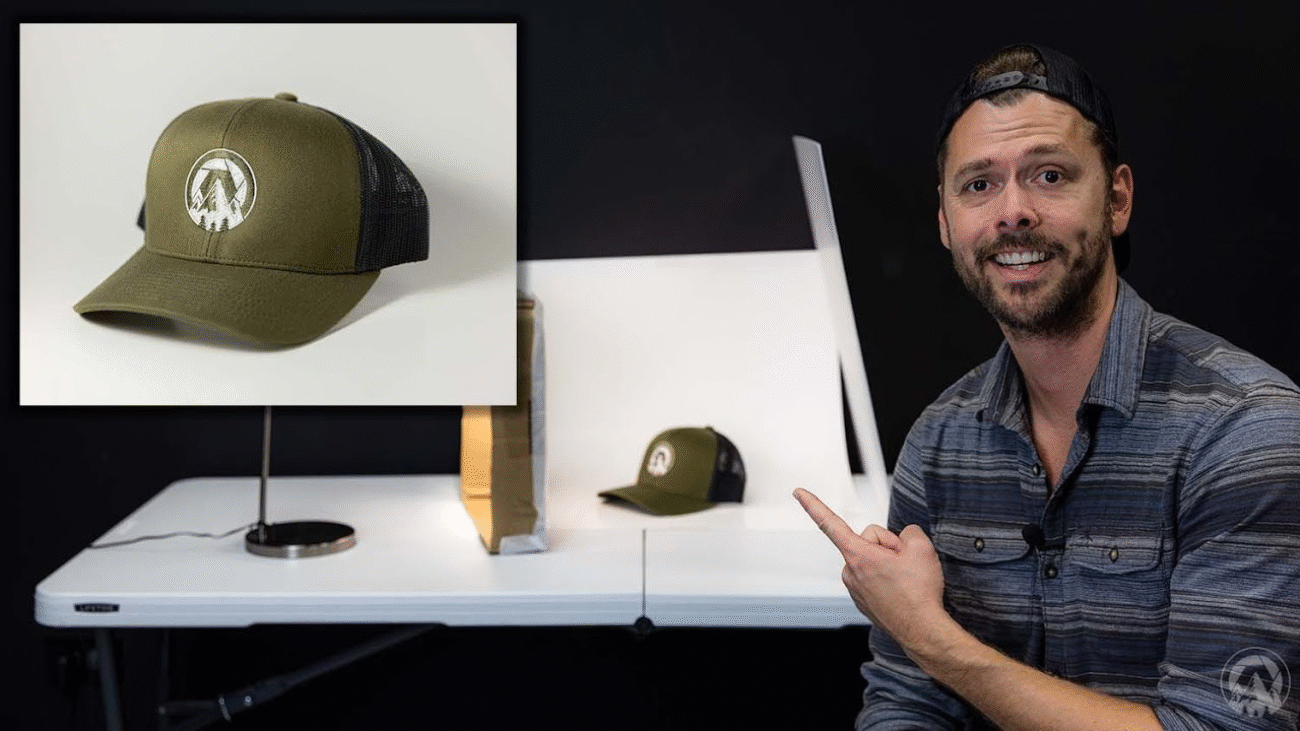
Taking professional-quality photos doesn’t always require expensive cameras, studios, or fancy equipment. Whether you want to improve your social media content, create beautiful portraits, or simply capture memories at home, it is possible to achieve professional results with some creativity, planning, and a few essential tips. In this guide, we will walk you through everything you need to know about taking professional photos at home.
1. Understand Your Equipment
Before you start taking photos, it’s important to understand the tools you have. While professional cameras are ideal, they are not mandatory. Smartphones today are equipped with powerful cameras capable of capturing stunning images.
- Camera Options: You can use a DSLR, mirrorless camera, or a smartphone with a good camera. DSLRs and mirrorless cameras offer manual settings, which give you more control over lighting and focus, while smartphones are great for convenience and speed.
- Lenses: If you have a camera with interchangeable lenses, a 50mm lens is perfect for portraits, while a wide-angle lens works well for room or product photography.
- Tripods and Stabilizers: Using a tripod helps avoid blurry images. Even a small tabletop tripod for your phone can significantly improve photo quality.
2. Lighting Is Key
Lighting is arguably the most important factor in photography. Natural light is your best friend when taking professional photos at home.
- Use Window Light: Position your subject near a window to take advantage of soft, natural light. Avoid direct sunlight, as it can create harsh shadows and highlights. Morning or late afternoon light works best for warm, flattering tones.
- Artificial Lighting: If natural light is limited, consider investing in affordable lighting options like ring lights or softboxes. Place them at a 45-degree angle to your subject to create soft, professional shadows.
- Reflectors: Reflectors are inexpensive tools that bounce light onto your subject, reducing shadows and giving your photos a polished look. You can even use white cardboard or aluminum foil as DIY reflectors.
3. Choose the Right Background
A cluttered background can distract viewers from the subject of your photo.
- Simple Backgrounds: Plain walls, clean sheets, or minimalist setups work best. Neutral colors like white, gray, or beige allow the subject to stand out.
- Textured Backgrounds: For a more artistic look, you can use textured walls, wooden panels, or even curtains as backgrounds. Just make sure they don’t overpower the main subject.
- Consistency: If you plan to post multiple photos on social media, keeping a consistent background can create a professional aesthetic.
4. Focus on Composition
Composition is the way elements are arranged in your photo. Good composition can make an ordinary photo look professional.
- Rule of Thirds: Imagine dividing your frame into nine equal parts using two horizontal and two vertical lines. Place the subject along these lines or at their intersections for a balanced composition.
- Leading Lines: Use lines (like tables, walls, or pathways) to guide the viewer’s eyes toward the subject.
- Negative Space: Don’t overcrowd your frame. Leaving empty space around the subject can make your photo look more polished and professional.
5. Master Angles and Perspectives
The angle from which you take a photo can completely change its look.
- Eye-Level: Shooting at eye-level creates a natural and relatable photo.
- High Angle: Shooting from above can make the subject appear smaller or more delicate, which is great for product photography.
- Low Angle: Shooting from below gives a dramatic and powerful look, ideal for portraits or creative shots.
- Experiment: Move around your subject and try different angles. Sometimes a slight tilt or change in perspective can make your photo stand out.
6. Pay Attention to Details
Professional photos often stand out because of the small details.
- Clean Environment: Remove clutter from the frame and make sure your subject looks tidy.
- Props and Styling: Props can add context or style to your photos. For example, a coffee cup on a table can make a workspace photo feel cozy.
- Wardrobe and Colors: Clothing should complement the background and lighting. Avoid overly bright colors that may distract from the subject.
7. Editing and Post-Processing
Even professional photographers edit their photos. Editing can enhance colors, brightness, and overall composition.
- Apps for Editing: Free apps like Snapseed, Lightroom Mobile, or VSCO allow you to adjust brightness, contrast, saturation, and more.
- Maintain Natural Look: Avoid over-editing. The goal is to enhance the photo, not make it look artificial.
- Crop and Straighten: Cropping removes unnecessary elements and straightening adjusts the horizon or background lines, giving your photo a professional finish.
8. Practice Patience and Experimentation
Taking professional photos is a skill that improves with practice. Don’t be afraid to experiment with different lighting, angles, and compositions.
- Take Multiple Shots: The more you shoot, the higher the chance of getting the perfect photo.
- Learn From Mistakes: Analyze your photos, notice what works, and refine your techniques.
- Be Creative: Sometimes the most memorable photos come from unexpected ideas or perspectives.
9. Recommended Equipment for Beginners
Here’s a simple list of affordable equipment that can help you take professional-quality photos at home:
- Smartphone with a good camera or DSLR/mirrorless camera
- Tripod or stabilizer
- Ring light or softbox for lighting
- Reflector (or DIY options like white foam board)
- Editing apps like Lightroom, Snapseed, or VSCO
FAQs About Taking Professional Photos at Home
1. Do I need a professional camera to take good photos at home?
No. Modern smartphones are capable of producing high-quality photos. While professional cameras offer more control, lighting and composition are more important than the device itself.
2. How can I make my photos look professional without studio lights?
Use natural window light or inexpensive lighting like ring lights. Reflectors or white surfaces can help bounce light and reduce shadows.
3. What is the best background for home photography?
Simple, uncluttered backgrounds work best. Neutral colors or lightly textured walls allow your subject to stand out.
4. Should I edit my photos?
Yes. Editing enhances brightness, contrast, and color. However, keep it natural to maintain a professional look.
5. How do I improve my photography skills at home?
Practice regularly, experiment with angles and lighting, and study other professional photos for inspiration. Over time, your eye for composition and detail will improve.
Conclusion
Taking professional photos at home is entirely achievable with the right mindset, tools, and techniques. By understanding your equipment, using proper lighting, focusing on composition, experimenting with angles, and editing thoughtfully, you can capture stunning photos without leaving your home. Remember, patience and practice are key. The more you experiment and learn, the more professional your photos will look.
With these tips, your home can easily transform into a small professional photography studio. All you need is creativity, attention to detail, and a willingness to experiment—and soon, your photos will look like they belong in a magazine.