

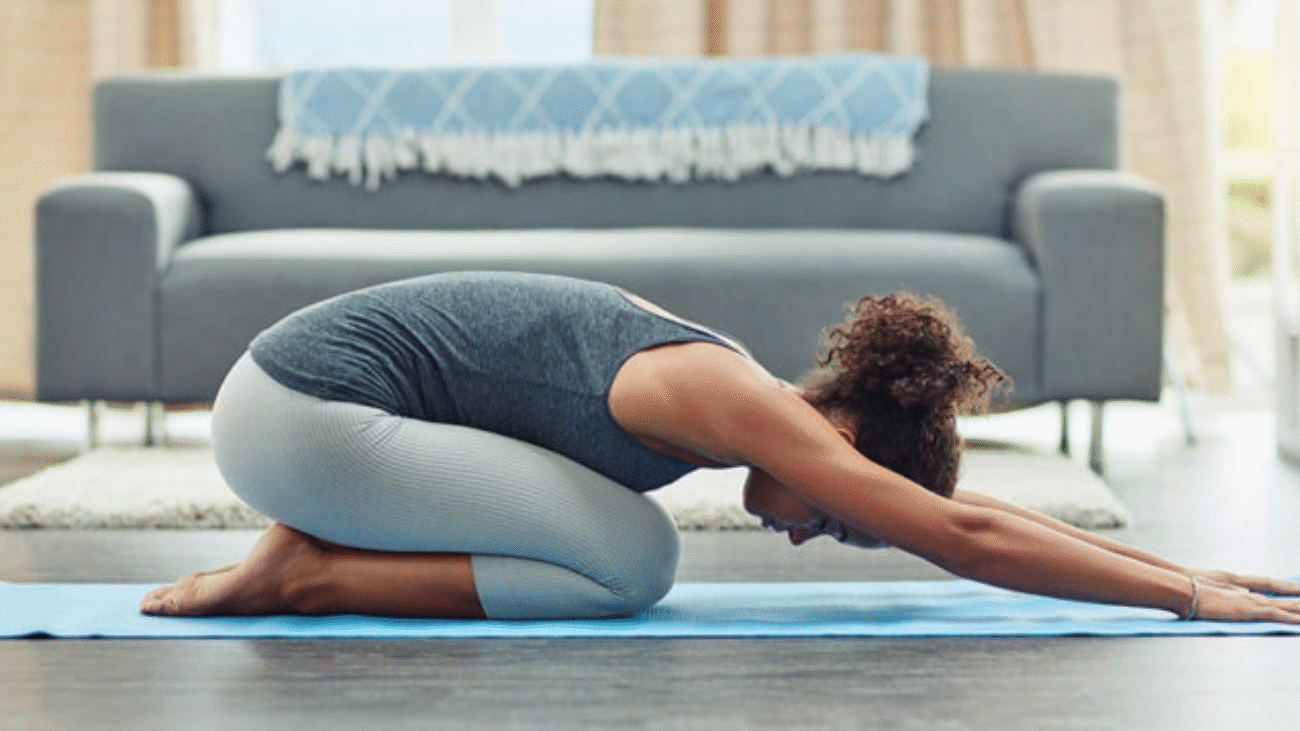
Staying physically active is essential for maintaining both physical and mental health. While gyms, parks, and fitness studios are great places to exercise, not everyone has the time, resources, or inclination to go outside or join a gym. The good news is that staying fit doesn’t require fancy equipment or leaving your home. With some creativity, discipline, and consistency, you can stay active and healthy without stepping outside.
This article will guide you through practical, easy-to-follow strategies to maintain physical activity at home, no matter your age, fitness level, or space constraints.
Why Staying Active at Home Matters
Physical activity is not just about looking good; it’s about feeling good and living longer. Regular movement improves heart health, strengthens muscles, boosts energy, enhances mood, and reduces the risk of chronic illnesses like diabetes and obesity.
Staying active at home is especially useful when:
- You have a busy schedule.
- You want to save money on gym memberships.
- Weather conditions prevent outdoor activities.
- You prefer the privacy and convenience of home workouts.
Even small amounts of daily activity can make a significant difference over time. The key is consistency and variety.
Setting Up Your Home Space for Exercise
You don’t need a large room or expensive equipment to work out at home. However, having a dedicated space can make exercise more enjoyable and sustainable. Here’s how to prepare:
- Choose a Comfortable Space
- Pick a spot where you have enough room to stretch, move, and perform exercises safely. This could be a living room corner, bedroom, or even a balcony.
- Keep it Clutter-Free
- Make sure the area is clear of obstacles to avoid accidents.
- Optional Equipment
- Resistance bands, dumbbells, yoga mats, or even a sturdy chair can enhance your workouts, but they are not mandatory. Many effective exercises rely only on body weight.
- Create a Motivating Environment
- Play music you love, use bright lighting, or put up inspiring quotes. Feeling motivated increases your likelihood of sticking to the routine.
Easy Home Exercises for Physical Fitness
You can get a full-body workout at home without any special equipment. Here are some effective exercises categorized by type:
1. Cardio Workouts
Cardio exercises get your heart pumping, burn calories, and improve cardiovascular health. Try these:
- Jumping Jacks – A classic full-body move.
- High Knees – March or jog in place, lifting your knees high.
- Burpees – Combine a squat, push-up, and jump for a powerful cardio blast.
- Dance Workouts – Put on your favorite music and move freely; it’s fun and effective.
2. Strength Training
Strength exercises help tone muscles, improve posture, and boost metabolism. Try these:
- Bodyweight Squats – Strengthen legs and glutes.
- Push-Ups – Work your chest, shoulders, and triceps.
- Lunges – Strengthen thighs, glutes, and core.
- Plank – Improve core strength and stability.
3. Flexibility and Stretching
Stretching reduces the risk of injuries and improves overall mobility. Include these:
- Forward Bends – Stretch hamstrings and back.
- Side Stretches – Loosen up obliques and shoulders.
- Yoga Poses – Downward Dog, Cat-Cow, or Child’s Pose for overall flexibility.
4. Balance and Stability
Balance exercises enhance coordination and reduce the risk of falls:
- Single-Leg Stand – Stand on one leg for 20-30 seconds, switch sides.
- Heel-to-Toe Walk – Walk in a straight line placing heel in front of toes.
- Standing Leg Lifts – Strengthen core and legs while improving balance.
Making a Home Workout Routine
A routine helps maintain consistency and ensures all muscle groups are exercised. Here’s how to structure it:
- Start Small
- If you’re new to home workouts, begin with 10-15 minutes per day and gradually increase to 30-60 minutes.
- Mix Cardio, Strength, and Flexibility
- Example:
- Monday: Cardio (jumping jacks, high knees, dance)
- Wednesday: Strength training (squats, push-ups, lunges)
- Friday: Yoga and stretching
- Daily: Short balance exercises
- Example:
- Listen to Your Body
- Don’t overdo it. Rest days are important to allow muscles to recover.
- Track Your Progress
- Keep a simple log of your workouts. Seeing your improvement motivates you to keep going.
Staying Motivated at Home
Motivation is often the biggest challenge when exercising at home. Here are some practical tips to stay on track:
- Set Realistic Goals
- Start with achievable targets, like 20 minutes of exercise per day or 50 squats per week.
- Workout with a Friend Virtually
- Video call a friend and exercise together; it adds accountability.
- Reward Yourself
- Treat yourself for reaching milestones—like a healthy smoothie, new workout clothes, or a relaxing bath.
- Make it Fun
- Incorporate music, dance, or playful exercises to keep workouts enjoyable.
- Use Apps or Online Videos
- Many free online resources guide home workouts, from beginner to advanced levels.
Incorporating Physical Activity into Daily Life
Even outside structured workouts, you can stay active at home by adding movement into everyday tasks:
- Household Chores – Vacuuming, cleaning, or gardening can burn calories.
- Standing Breaks – Take short breaks from sitting to stretch or walk around.
- Active Hobbies – Try dancing, DIY projects, or playing with pets to keep moving.
Overcoming Common Barriers
Many people face obstacles when trying to stay active at home. Here’s how to overcome them:
- Lack of Space – Focus on exercises that require minimal room, like planks or yoga.
- No Equipment – Use bodyweight exercises or household items like water bottles.
- Low Motivation – Set small goals, track progress, or use virtual workouts for accountability.
- Time Constraints – Split workouts into 5-10 minute sessions throughout the day.
Benefits of Regular Home Workouts
Regular physical activity at home provides multiple benefits:
- Improved Physical Health – Stronger muscles, better flexibility, and reduced risk of chronic diseases.
- Mental Well-being – Exercise releases endorphins that reduce stress, anxiety, and depression.
- Weight Management – Helps maintain a healthy weight and metabolism.
- Better Sleep – Physical activity can improve sleep quality and energy levels.
- Cost-Effective – No gym fees or expensive equipment needed.
5 FAQs About Staying Physically Active at Home
1. How much exercise do I need at home?
Experts recommend at least 150 minutes of moderate-intensity exercise per week. This can be split into 20-30 minutes daily.
2. Do I need equipment to work out at home?
No, you can perform many effective exercises using just your body weight, such as squats, push-ups, lunges, and planks.
3. Can I lose weight by exercising at home?
Yes, regular exercise combined with a balanced diet can help with weight loss and overall health.
4. How can I stay motivated to exercise at home?
Set realistic goals, track progress, make workouts fun, and consider virtual workout sessions with friends.
5. Is it safe to exercise at home without professional supervision?
Yes, as long as you choose exercises suitable for your fitness level and avoid overexertion. Start slowly and gradually increase intensity.
Conclusion
Staying physically active at home is entirely possible, practical, and beneficial. With minimal equipment, a bit of creativity, and consistent effort, you can improve your strength, flexibility, endurance, and mental well-being. The key is to build a routine, mix different types of exercises, and make physical activity a fun and enjoyable part of daily life. Remember, even small steps count, and every movement brings you closer to better health.
By taking control of your fitness at home, you don’t just save time and money—you create a sustainable, healthy lifestyle that fits seamlessly into your everyday life.