

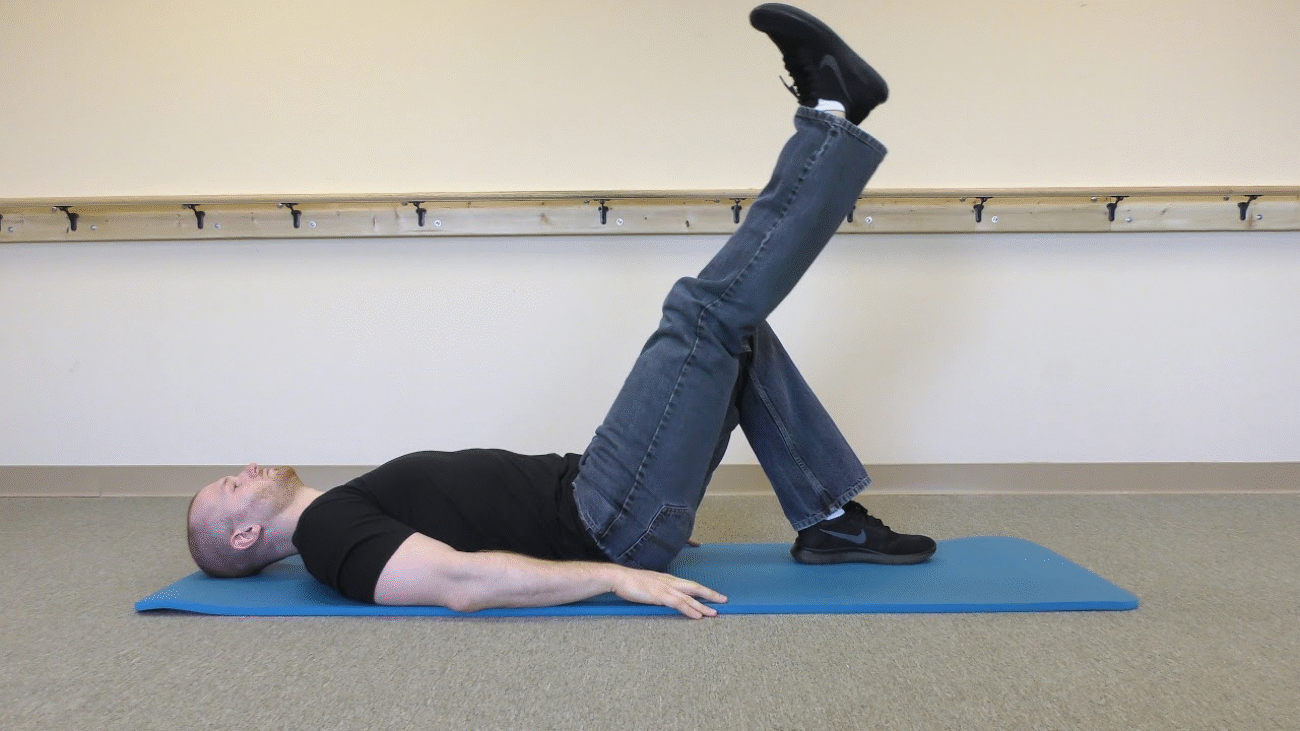
Maintaining good physical health is not just about looking fit—it’s about feeling strong, energetic, and capable in your daily life. One of the most effective ways to achieve this is through regular exercise. Exercise doesn’t only improve your appearance; it strengthens your heart, bones, muscles, and even your mind. In this article, we will explore the best exercises to improve physical health, why they are essential, and how to incorporate them into your daily routine.
Why Exercise Is Essential for Physical Health
Physical health is the foundation of a long, healthy life. Regular exercise helps your body function at its best. Here’s what it does:
- Strengthens the Heart: Cardiovascular exercises like running, cycling, and swimming increase your heart rate and improve blood circulation. This lowers the risk of heart disease, high blood pressure, and stroke.
- Builds Strong Muscles and Bones: Strength training and resistance exercises help maintain muscle mass and bone density, especially as we age. Strong muscles and bones prevent injuries and support better mobility.
- Boosts Energy Levels: Regular physical activity improves your stamina and reduces fatigue. People who exercise often feel more energetic throughout the day.
- Supports Mental Health: Exercise reduces stress, anxiety, and depression. It stimulates the release of endorphins, often called “feel-good” hormones, making you feel happier.
- Controls Weight: Exercise helps burn calories and maintain a healthy weight. Combining exercise with a balanced diet is the best strategy for weight management.
With these benefits in mind, let’s explore the types of exercises that can improve your physical health.
Types of Exercises to Improve Physical Health
1. Cardiovascular Exercises
Cardiovascular exercises, also known as aerobic exercises, are any activities that get your heart pumping. They are excellent for improving heart health, lung capacity, and overall endurance.
Examples include:
- Walking or Jogging: Walking briskly for 30 minutes daily is a simple yet effective way to keep your heart healthy.
- Running: Running increases stamina and strengthens your cardiovascular system.
- Cycling: Biking, whether outdoors or on a stationary bike, improves leg strength and endurance.
- Swimming: Swimming is a low-impact exercise that strengthens the whole body while being gentle on the joints.
Tip: Start with 20–30 minutes, three to five times a week. Gradually increase the duration and intensity as your fitness improves.
2. Strength Training
Strength training, or resistance training, involves using weights, resistance bands, or your own body weight to build muscle. It is essential for maintaining muscle mass, bone strength, and metabolic health.
Examples include:
- Push-ups and Pull-ups: These exercises target the upper body muscles.
- Squats and Lunges: Great for strengthening legs and improving balance.
- Weightlifting: Using dumbbells or kettlebells can build strength in specific muscle groups.
- Resistance Bands: These are versatile tools for full-body workouts.
Tip: Aim for at least two strength-training sessions per week, targeting all major muscle groups.
3. Flexibility Exercises
Flexibility exercises improve the range of motion of your muscles and joints. They reduce the risk of injuries, relieve muscle tension, and improve posture.
Examples include:
- Stretching: Stretch major muscles after workouts or in the morning.
- Yoga: Yoga enhances flexibility, balance, and mental focus.
- Pilates: Pilates strengthens the core and improves overall body flexibility.
Tip: Spend 10–15 minutes stretching after each workout. Consistency is key to improving flexibility over time.
4. Balance and Coordination Exercises
Balance exercises prevent falls, especially in older adults, and improve coordination. These exercises are crucial for everyday activities.
Examples include:
- Standing on One Leg: Simple yet effective for balance.
- Tai Chi: Combines slow movements with deep breathing for balance and mental clarity.
- Stability Ball Exercises: Improves core strength and coordination.
Tip: Incorporate balance exercises into your routine at least 2–3 times a week.
5. High-Intensity Interval Training (HIIT)
HIIT involves alternating between short bursts of intense activity and periods of rest or low-intensity activity. It is excellent for burning calories, improving cardiovascular fitness, and building endurance in a shorter time.
Examples include:
- Sprinting for 30 seconds, followed by walking for 1 minute.
- Jumping jacks or burpees for 20 seconds, then resting for 40 seconds.
- Cycling at high speed for 1 minute, followed by slow pedaling for 2 minutes.
Tip: Start with one or two HIIT sessions per week. As your fitness improves, you can increase the frequency.
Creating a Balanced Exercise Routine
To achieve the best results, combine different types of exercises. A balanced weekly routine may look like this:
- Monday: 30 minutes of cardio + 15 minutes of stretching
- Tuesday: Strength training (upper body) + balance exercises
- Wednesday: 30 minutes of cardio or HIIT
- Thursday: Strength training (lower body) + yoga
- Friday: Cardio + flexibility exercises
- Saturday: HIIT or outdoor activity (like hiking)
- Sunday: Rest or light activity (like a walk or stretching)
Remember, rest days are equally important. Your muscles need time to recover, grow stronger, and prevent injuries.
Tips to Stay Motivated
- Set Realistic Goals: Start small, like walking 10,000 steps daily, then increase intensity gradually.
- Track Your Progress: Use a journal or fitness app to monitor improvements.
- Exercise With Friends: Working out with someone makes it fun and keeps you accountable.
- Mix It Up: Try different exercises to avoid boredom.
- Reward Yourself: Treat yourself when you achieve milestones, like a relaxing massage or a favorite meal.
Common Mistakes to Avoid
- Skipping Warm-ups and Cool-downs: Warming up prevents injuries, and cooling down aids muscle recovery.
- Overtraining: Too much exercise can lead to fatigue and injuries.
- Ignoring Pain: Mild soreness is normal, but sharp pain is a warning sign.
- Poor Nutrition: Exercise alone is not enough; fuel your body with a balanced diet.
- Neglecting Hydration: Drink enough water before, during, and after workouts.
Frequently Asked Questions (FAQs)
1. How much exercise do I need to improve physical health?
Adults should aim for at least 150 minutes of moderate-intensity or 75 minutes of vigorous-intensity aerobic exercise per week, plus two sessions of strength training.
2. Can I improve health without going to the gym?
Absolutely! Walking, jogging, bodyweight exercises, yoga, and outdoor activities are excellent alternatives to gym workouts.
3. How soon will I see results from exercising?
Some benefits, like improved mood and energy, can appear within a few days. Physical changes, such as muscle tone and weight loss, may take 4–8 weeks depending on consistency and intensity.
4. Is it okay to exercise every day?
Yes, but vary intensity and type. Include rest or light activity days to allow recovery and prevent injuries.
5. Do I need special equipment to improve physical health?
Not necessarily. Bodyweight exercises, walking, and stretching can be highly effective. Equipment like dumbbells or resistance bands can enhance workouts but are not required.
Conclusion
Improving physical health is a journey that requires consistency, patience, and the right exercises. By combining cardiovascular activities, strength training, flexibility exercises, balance practices, and even HIIT workouts, you can achieve a strong, healthy, and energetic body. Remember, small daily efforts add up to significant long-term benefits. Start today, stay consistent, and enjoy the transformation of both your body and mind.