

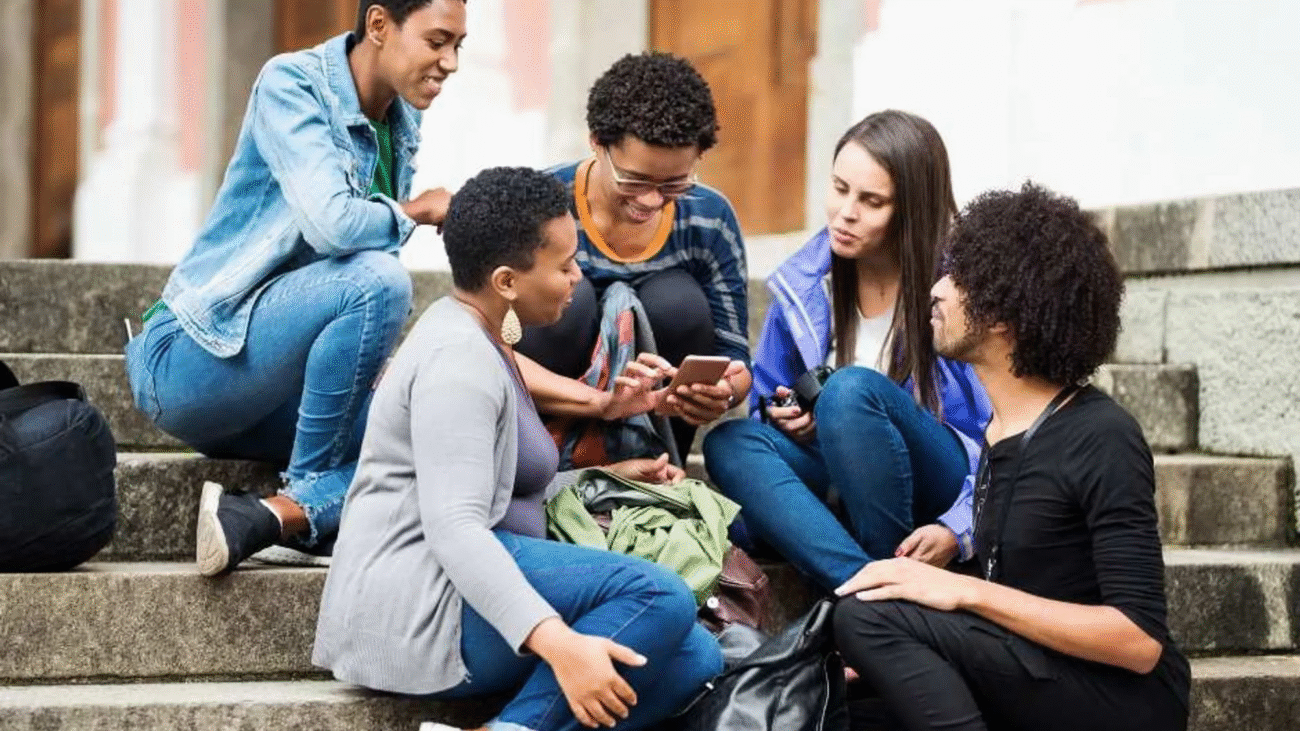
Social life skills are essential abilities that help us communicate, interact, and connect effectively with others. Whether it’s forming friendships, networking professionally, or maintaining healthy relationships, having strong social skills makes life more enjoyable and fulfilling. The good news is that social skills are not something you’re born with—they can be learned, practiced, and improved over time.In this article, we’ll explore practical ways to enhance your social life skills, overcome social anxiety, and build meaningful connections.
What Are Social Life Skills?
Social life skills refer to the abilities we use to interact and communicate with others successfully. They include:
- Communication skills – Listening, speaking clearly, and expressing yourself effectively.
- Emotional intelligence – Understanding your emotions and recognizing others’ feelings.
- Empathy – Putting yourself in someone else’s shoes.
- Conflict resolution – Managing disagreements calmly and respectfully.
- Teamwork and cooperation – Working well with others in social or professional settings.
Having strong social life skills allows you to create meaningful relationships, gain respect, and navigate various social situations with confidence.
Why Improving Social Skills Is Important
Improving social skills is not just about being friendly or popular—it has deeper benefits:
- Better relationships: Strong social skills help maintain long-lasting friendships and family ties.
- Career growth: Employers value people who communicate well and collaborate effectively.
- Mental health: Positive social interactions reduce stress, anxiety, and loneliness.
- Personal confidence: Being able to handle social situations confidently improves self-esteem.
- Problem-solving: Good social skills help in resolving conflicts and making better decisions in group settings.
How to Improve Social Life Skills
Improving social skills is a gradual process. Here are practical steps to help you enhance your abilities:
1. Start with Self-Awareness
Before improving your interactions with others, understand yourself. Self-awareness involves recognizing your emotions, strengths, weaknesses, and how you come across in social situations.
- Tips to develop self-awareness:
- Reflect on your daily interactions and how they went.
- Ask close friends or family for honest feedback.
- Keep a journal of your social experiences.
Understanding yourself helps you adjust your behavior and respond better to others.
2. Develop Good Communication Skills
Communication is the backbone of social skills. It’s not just about talking—it’s about listening, understanding, and responding appropriately.
- Effective listening: Focus on what the other person is saying without interrupting. Nod, make eye contact, and ask clarifying questions.
- Express yourself clearly: Speak calmly and avoid using negative words. Use simple, friendly language.
- Non-verbal cues: Body language, facial expressions, and tone of voice matter. Smiling and maintaining eye contact create a positive impression.
Practicing communication regularly will make social interactions smoother.
3. Build Empathy
Empathy is the ability to understand and share the feelings of others. People with empathy are usually more liked and respected because they genuinely care about others’ feelings.
- How to develop empathy:
- Listen without judgment.
- Try to understand the other person’s perspective.
- Respond with kindness and encouragement.
Empathy helps in resolving conflicts, building trust, and forming stronger connections.
4. Join Social Activities
One of the most effective ways to improve social life skills is by actively participating in social situations.
- Ideas to get involved:
- Join clubs, hobby groups, or community activities.
- Attend networking events or workshops.
- Volunteer for local charities or causes.
These activities give you real-life practice in interacting with diverse people and adapting to different social settings.
5. Practice Conversation Skills
Many people struggle with small talk or maintaining conversations. Practicing conversation skills can make interactions easier and more enjoyable.
- Tips for better conversations:
- Start with simple questions like “How was your day?” or “What hobbies do you enjoy?”
- Share personal experiences, but don’t dominate the discussion.
- Be genuinely curious about the other person.
Good conversational skills make others feel valued and comfortable around you.
6. Overcome Social Anxiety
Social anxiety can hold you back from improving your social life skills. The key is to face your fears gradually:
- Start small: Talk to a cashier, neighbor, or colleague.
- Use relaxation techniques: Deep breathing or visualization before social interactions can reduce stress.
- Set small goals: Aim to initiate one conversation per day or attend one social event per week.
With consistent effort, social anxiety can become more manageable, making social interactions easier.
7. Learn Conflict Resolution
Disagreements are natural in any relationship. Strong social life skills include handling conflicts calmly and respectfully.
- Steps to resolve conflicts:
- Listen to the other person without interrupting.
- Express your feelings without blaming.
- Find a compromise or solution that works for both parties.
Handling conflicts maturely strengthens relationships and builds trust.
8. Seek Feedback and Keep Learning
Social skills can always be improved. Ask friends or mentors for feedback on your interactions. Observe socially skilled people and learn from their behavior.
- Practical ways to keep learning:
- Read books or watch videos on social skills.
- Attend workshops or online courses.
- Practice regularly and reflect on your progress.
Improvement comes from both practice and continuous learning.
Common Mistakes to Avoid
While improving social life skills, avoid these common mistakes:
- Overthinking interactions: This can make you anxious or awkward.
- Being self-centered: Social skills involve listening as much as talking.
- Avoiding social situations: Practice is key, so don’t isolate yourself.
- Ignoring body language: Non-verbal cues speak louder than words.
- Being impatient: Social skills take time to develop; progress is gradual.
Benefits of Strong Social Life Skills
By working on social skills, you can expect:
- More meaningful friendships and relationships.
- Greater confidence in social settings.
- Better career opportunities and networking.
- Improved emotional intelligence and empathy.
- Reduced stress, loneliness, and social anxiety.
Investing time in developing these skills creates lasting benefits in personal, social, and professional life.
FAQs About Improving Social Life Skills
1. Can social skills be learned at any age?
Yes! Social skills are not fixed at birth—they can be developed at any age with practice and patience.
2. How long does it take to improve social skills?
Improvement varies per person. Small changes can appear within weeks, but building strong, confident social skills usually takes consistent practice over months.
3. What if I feel shy or anxious in social situations?
Start small. Practice brief interactions and gradually increase your exposure. Relaxation techniques and positive self-talk can also help.
4. Are online interactions helpful for social skills?
Yes, but face-to-face interactions provide more practice with body language, tone, and empathy, which are harder to convey online.
5. Can reading books or watching videos improve social skills?
Absolutely! They provide valuable tips, strategies, and examples, but practice in real-life situations is essential for real improvement.
Conclusion
Improving social life skills is a lifelong journey, but it’s entirely achievable. By focusing on self-awareness, communication, empathy, and active practice, anyone can build meaningful relationships and navigate social situations with confidence. Small steps, consistent effort, and a positive mindset are key.
Remember, social skills are not about perfection—they are about connection, understanding, and growth. Start today, and gradually, you’ll notice your confidence, relationships, and overall happiness improving.