

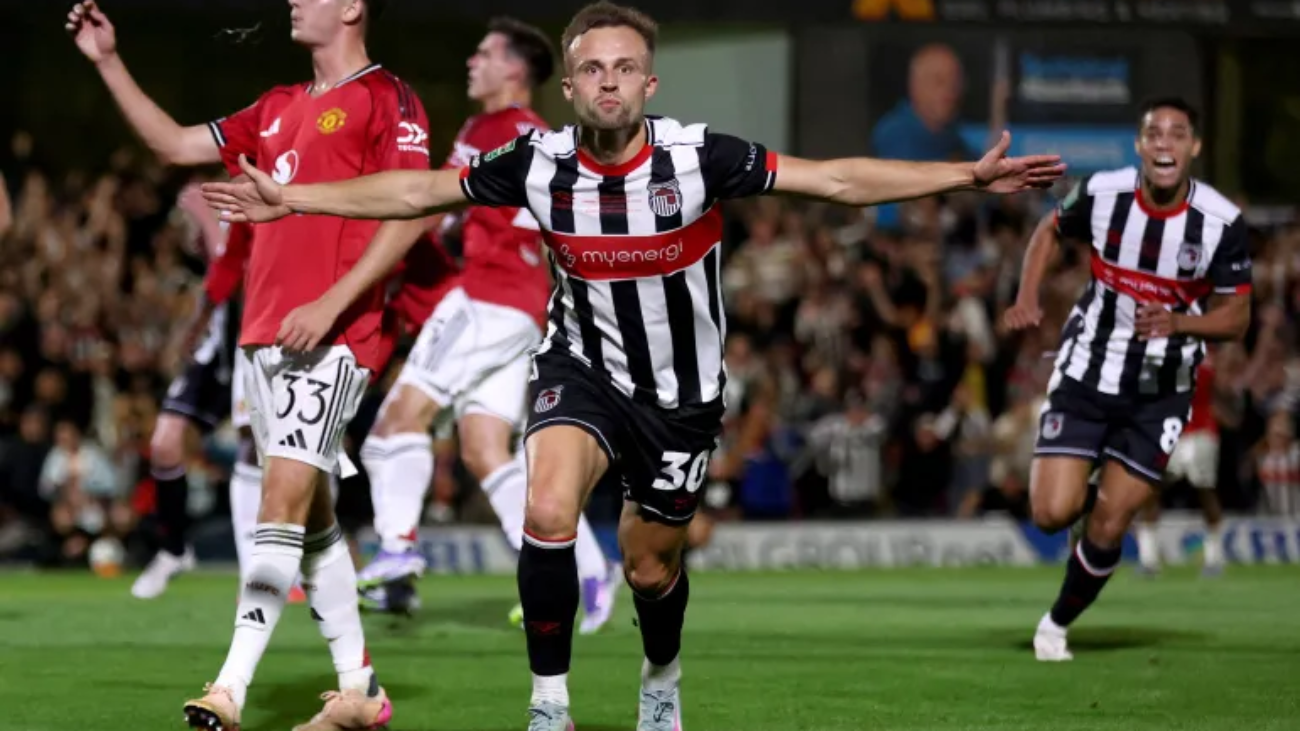
The Grimsby Town vs Manchester United F.C. timeline is one of the most fascinating and nostalgic stories in English football history. Although these two clubs rarely meet due to competing in different tiers for much of their existence, their encounters—especially in cup competitions—have produced unforgettable moments that continue to be discussed decades later. From early FA Cup clashes to one of the greatest giant-killings in football history, this timeline captures every important chapter of Grimsby Town versus Manchester United.
This SEO-optimized, user-friendly, and long-form article provides a detailed chronological breakdown of their meetings, historical context, match outcomes, key players, and why this fixture still matters to football fans today.
Introduction to the Clubs
Before exploring the timeline, it is important to understand the background of both teams.
Grimsby Town Football Club Overview
Grimsby Town is one of England’s oldest professional football clubs, founded in the 19th century. The club has spent much of its history outside the top flight but is deeply respected for its tradition, loyal fanbase, and historic FA Cup performances.
Manchester United Football Club Overview
Manchester United is one of the most successful and globally recognized football clubs in the world, with a rich history of league titles, domestic cups, and European trophies. Their reputation often makes them the favorite in any matchup, especially against lower-league opposition.
Why the Grimsby Town vs Manchester United Timeline Is Important
This fixture represents:
- The magic of the FA Cup
- Classic underdog versus giant narratives
- Historic moments that shaped English football folklore
- Proof that football remains unpredictable
Early Encounters: Pre-World War Era
The first meetings between Grimsby Town and Manchester United took place in the early 20th century, primarily in league and cup competitions.
1900s–1920s Matches
During this period:
- Both clubs competed in similar divisions at times
- Matches were physical and tactically simple
- Results were often closely contested
These early games laid the foundation for competitive respect between the clubs.
1930s Competitive Meetings
In the 1930s:
- Manchester United experienced fluctuating league fortunes
- Grimsby Town reached strong league positions
- Fixtures were evenly balanced
This era showed that Grimsby Town could compete against bigger names when conditions aligned.
Post-War Era Encounters
Following World War II, English football was reshaped, and the clubs’ paths crossed less frequently.
1940s–1950s Matches
- Manchester United rebuilt under new leadership
- Grimsby Town began dropping through divisions
- Encounters became rarer and more one-sided
Despite fewer meetings, cup draws kept the possibility of clashes alive.
1960s–1970s: Paths Begin to Separate
This era saw Manchester United rise in prominence while Grimsby Town faced relegation struggles.
Manchester United’s Rise
- League titles and European success
- Growing global reputation
- Increased squad depth and professionalism
Grimsby Town’s Challenges
- Financial constraints
- Movement between divisions
- Reliance on youth and local talent
By the late 1970s, a meeting between the two clubs was seen as a mismatch—until history intervened.
1979 FA Cup: The Legendary Giant-Killing
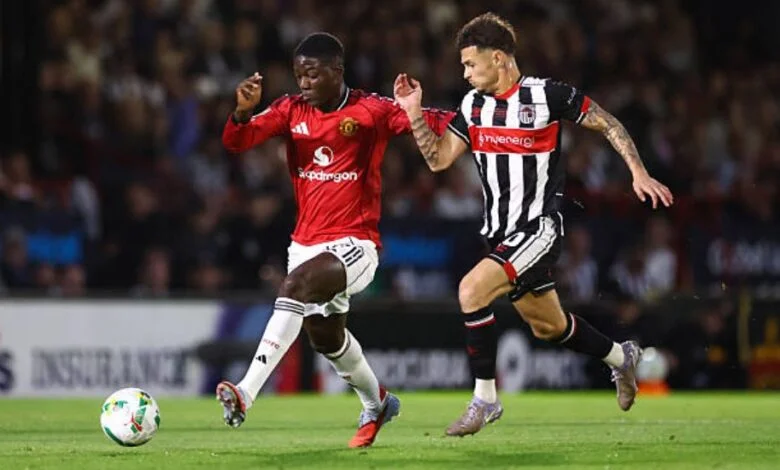
The most famous moment in the Grimsby Town vs Manchester United timeline occurred in 1979.
FA Cup Quarter-Final Build-Up
- Grimsby Town were competing outside the top division
- Manchester United were strong title contenders
- Most observers expected a comfortable United victory
The Match Itself
Against all expectations:
- Grimsby Town played with fearless attacking intent
- Manchester United dominated possession but struggled to convert chances
- Grimsby exploited defensive lapses
The Final Result
Grimsby Town defeated Manchester United in one of the biggest shocks in FA Cup history.
Why This Match Was Historic
- One of the greatest FA Cup upsets ever
- Demonstrated the unpredictability of knockout football
- Cemented Grimsby Town’s place in football folklore
Immediate Aftermath of the 1979 Upset
The shock result had lasting effects on both clubs.
Impact on Grimsby Town
- National recognition and media attention
- Boosted club morale and fan pride
- One of the greatest achievements in club history
Impact on Manchester United
- Intense criticism and disappointment
- Reinforced the dangers of underestimating opponents
- Became a cautionary tale in FA Cup history
Later Encounters and Reduced Meetings
After 1979, meetings between the clubs became extremely rare.
League Separation
- Manchester United established themselves as a permanent top-flight club
- Grimsby Town moved between lower divisions
- League fixtures were no longer possible
Cup Competition Possibilities
Only domestic cups provided opportunities for future meetings, but draws did not favor frequent rematches.
Statistical Overview of Their Meetings
While complete records vary depending on competition, the overall timeline shows:
Match Trends
- Manchester United winning most encounters
- Grimsby Town achieving fewer but memorable victories
- FA Cup matches being the most significant
Goal Patterns
- United generally scoring more goals
- Grimsby scoring crucial goals in historic moments
Home Advantage
- Grimsby’s home matches proving difficult for visitors
- Crowd atmosphere playing a major role
Tactical Evolution Across the Timeline
The way these teams played evolved significantly over time.
Early Tactical Styles
- Long-ball football
- Physical challenges
- Minimal substitutions
1970s Tactical Shift
- More emphasis on passing
- Improved fitness
- Tactical discipline
Modern Football Contrast
If the teams were to meet today:
- Manchester United would rely on high pressing and technical superiority
- Grimsby Town would likely focus on compact defending and counter-attacks
Cultural Impact of the Fixture
This timeline goes beyond results.
FA Cup Romance
The 1979 match symbolizes everything fans love about the FA Cup:
- Underdog triumph
- Passion over resources
- Community pride
Fan Memory
For Grimsby supporters:
- A defining generational memory
For Manchester United fans: - A humbling reminder of football’s unpredictability
Media and Storytelling Legacy
The fixture is often referenced in:
- FA Cup documentaries
- Football history books
- Discussions about giant-killings
Why Fans Still Search This Timeline
Interest remains high because:
- The upset is legendary
- It represents football heritage
- It teaches lessons about respect and preparation
Lessons from the Grimsby vs Manchester United Timeline
This rivalry—though limited in frequency—offers important insights.
Football Is Unpredictable
No matter the odds, results are never guaranteed.
Cup Competitions Are Special
One-off matches create history.
Smaller Clubs Matter
Their moments enrich the sport’s narrative.
Preparation Beats Reputation
Effort and belief can overcome talent gaps.
Possibility of a Future Meeting
While unlikely, football remains unpredictable.
What Would Be Needed
- Cup draw alignment
- Grimsby reaching later rounds
- Manchester United entering competition at the same stage
Such a meeting would immediately capture global attention.
Modern Fan Perspective
Today’s fans view this timeline as:
- A historical lesson
- A celebration of football’s spirit
- Proof of competitive balance in cup football
Why This Timeline Remains Relevant
Even decades later:
- The upset is still discussed
- New generations learn the story
- It defines FA Cup magic
Conclusion
The Grimsby Town vs Manchester United F.C. timeline is a powerful reminder of why football is loved around the world. While Manchester United’s dominance and success are undeniable, Grimsby Town’s historic FA Cup victory in 1979 stands as one of the sport’s greatest moments. This timeline is not just about matches and scores—it is about belief, community, and the timeless unpredictability of football. From early competitive meetings to one unforgettable giant-killing, this fixture remains etched in English football history and continues to inspire fans across generations.